
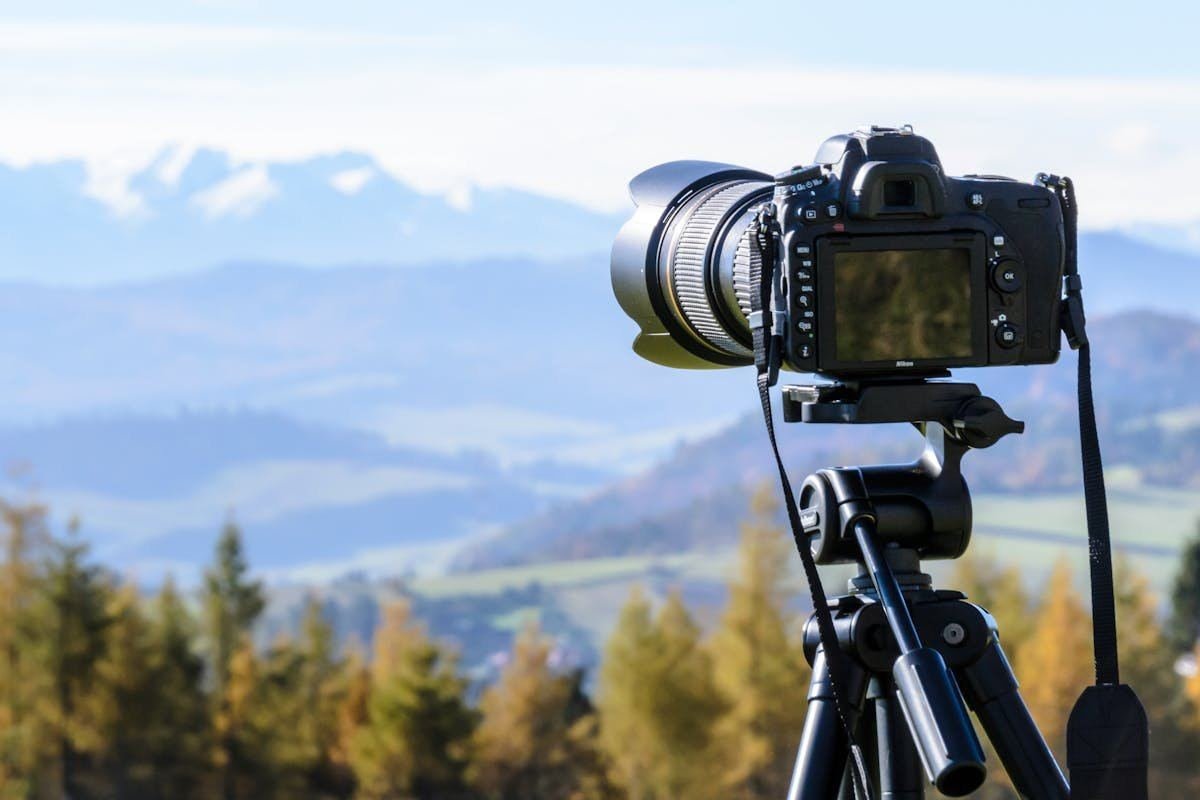
Photography is an art form that allows you to capture the world around you in a unique and personal way. For those who have mastered the basics, advancing to more complex techniques can elevate your skills and transform ordinary shots into stunning works of art. Whether you're a hobbyist or an aspiring professional, learning advanced photography techniques is essential to standing out and telling compelling visual stories.
We’ll explore several advanced photography techniques that will help you create breathtaking images. You’ll also discover how platforms like Masterclass can provide expert insights from world-renowned photographers to further hone your craft.

Mastering the Exposure Triangle
The exposure triangle—consisting of aperture, shutter speed, and ISO—is fundamental to controlling the brightness and quality of your images. Mastering how these three elements interact is key to achieving professional-level photos.
• The depth of field, or how much of your picture is in focus, is controlled by the Aperture. A low f-stop (like f/1.8) creates a shallow depth of field, perfect for portraiture where you want your subject to stand out against a blurred background. Higher f-stops (like f/11) increase the depth of field, making landscapes sharp and detailed throughout the frame.
• Shutter Speed dictates how long your camera’s sensor is exposed to light. Faster shutter speeds (1/1000s) freeze action, ideal for sports or wildlife photography. Slower speeds (1/15s or below) can create motion blur, often used in long exposure shots to depict movement, like flowing water or star trails.
• ISO controls the sensor’s sensitivity to light. Lower ISO values (100-400) produce cleaner images with less noise, while higher ISO settings (800-3200) allow for shooting in low light but introduce graininess.
Learning to balance these three elements will give you full creative control over your photos. Many renowned photographers, such as those featured on Masterclass , dive deeper into manipulating the exposure triangle to suit specific creative goals.
Focus Stacking for Sharper Images
Focus stacking is an advanced technique often used in macro and landscape photography to achieve maximum sharpness. This technique entails shooting several pictures at various focal points, which are then combined in post-processing to produce an image with crisp foreground and background details.
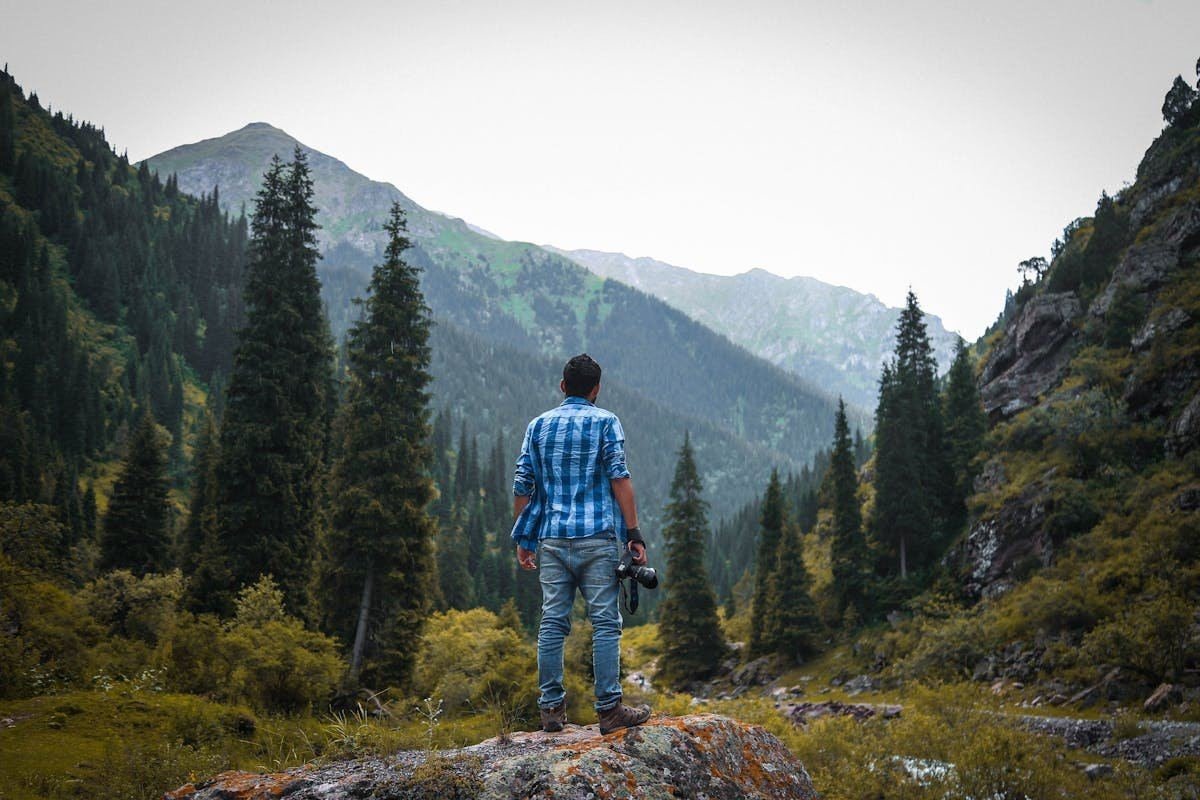
In macro photography, for instance, focus stacking enables you to catch minute details of small subjects, such as insects or flowers, because of the extremely shallow depth of field. In landscape photography, this technique ensures both the foreground (like rocks or flowers) and distant mountains are in perfect focus.
To successfully perform focus stacking:
• Use a tripod to ensure consistent framing between shots.
• Take multiple images, adjusting the focus slightly for each shot.
• Combine the images using software like Adobe Photoshop or specialized focus stacking programs.
This technique requires patience and practice, but the results are remarkable. Many top photographers featured on Masterclass share their focus stacking workflows, offering valuable insights into perfecting this method.

Long Exposure for Creative Motion Effects
Long exposure photography opens up a world of creative possibilities. By using slow shutter speeds, you can capture the passage of time, creating beautiful motion effects that are invisible to the naked eye.
Here are some popular applications of long exposure:
• Light Trails: In urban settings, long exposure is often used to capture the streaks of car lights, creating a dynamic and vibrant image.
• Water and Clouds: Slowing down the shutter speed turns flowing water into a silky, smooth texture, while clouds appear to glide across the sky.
• Night Photography: Long exposure is essential for capturing stars, cityscapes at night, or even firework displays.
In order to maximize the benefits of long exposure photography, you will need a remote shutter release to reduce camera shake and a tripod to keep the camera steady. Using the manual mode, which provides you complete control over ISO, shutter speed, and aperture, is also beneficial.
Taking long exposure shots may require practice, but the results can be mesmerizing. The photography instructors at Masterclass offer in-depth tutorials on creating stunning long exposure photos, including tips for various environments and light conditions.
Understanding and Using Natural Light

While artificial lighting is important in studio settings, understanding and mastering natural light can take your photography to the next level. Natural light offers endless possibilities for creating mood, texture, and contrast in your images.
• Golden Hour: We refer to the hour just before sunset and the hour after sunrise as the "golden hour." The soft, warm light during this time of day is ideal for creating dramatic and flattering portraits or landscapes with glowing highlights and deep shadows.
• Blue Hour: The "blue hour" illuminates landscapes with a chilly, diffused light just before sunrise and after sunset. This time is perfect for capturing serene, moody images with rich blue tones.
• Backlighting: Placing your subject in front of a strong light source, such as the sun, can create stunning silhouettes or halo effects. Backlighting is often used to add depth and atmosphere to portraits or nature shots.
Mastering the use of natural light requires observation and adaptability. The more you work with available light, the better you’ll become at spotting unique opportunities to enhance your photos. Instructors on platforms like Masterclass frequently share their experiences and techniques for working with different types of natural light, giving you practical knowledge that can be applied to your own photography.
Post-Processing for Professional Results
While capturing the image is important, post-processing is where you can truly refine and elevate your work. Advanced photographers use software like Adobe Lightroom and Photoshop to bring out the best in their images, adjusting color balance, exposure, sharpness, and more.
Here are some advanced post-processing techniques to consider:
• Dodge and Burn: Using this technique, you can enhance contrast and highlight important features in your image by selectively lightening or darkening specific areas.
• Color Grading: Adjusting the overall color scheme of an image can change its mood and aesthetic. Many photographers use color grading to create a cinematic look.
• HDR (High Dynamic Range): HDR photography involves merging multiple images taken at different exposures to capture a wider range of detail, from shadows to highlights.
Understanding how to properly edit your photos can be the difference between a good shot and a great one. Masterclass offers tutorials from expert photographers who break down their editing processes step by step, allowing you to learn directly from industry leaders.
Advanced photography techniques can transform your work, allowing you to capture stunning results that stand out. Whether it’s mastering the exposure triangle, experimenting with long exposure, or perfecting your post-processing skills, these techniques will help you achieve a higher level of artistry in your photography.
For those looking to take their skills even further, Masterclass provides a wealth of knowledge from world-renowned photographers. With expert guidance, you can continue refining your craft and push the boundaries of what’s possible with your camera.