
Fashion design is an ever-evolving art form, influenced by trends, culture, and the unique vision of designers. Iconic fashion designers don’t just create beautiful clothing; they set new standards, push boundaries, and redefine style through innovative techniques. Whether you’re an aspiring designer or simply passionate about fashion, understanding the methods that have shaped the industry is essential.
In this blog, we’ll explore several iconic fashion design techniques that have stood the test of time. We’ll also touch on how platforms like Masterclass can provide exclusive insights from industry-leading designers to help you refine your skills and creativity.

1. Draping: Sculpting with Fabric
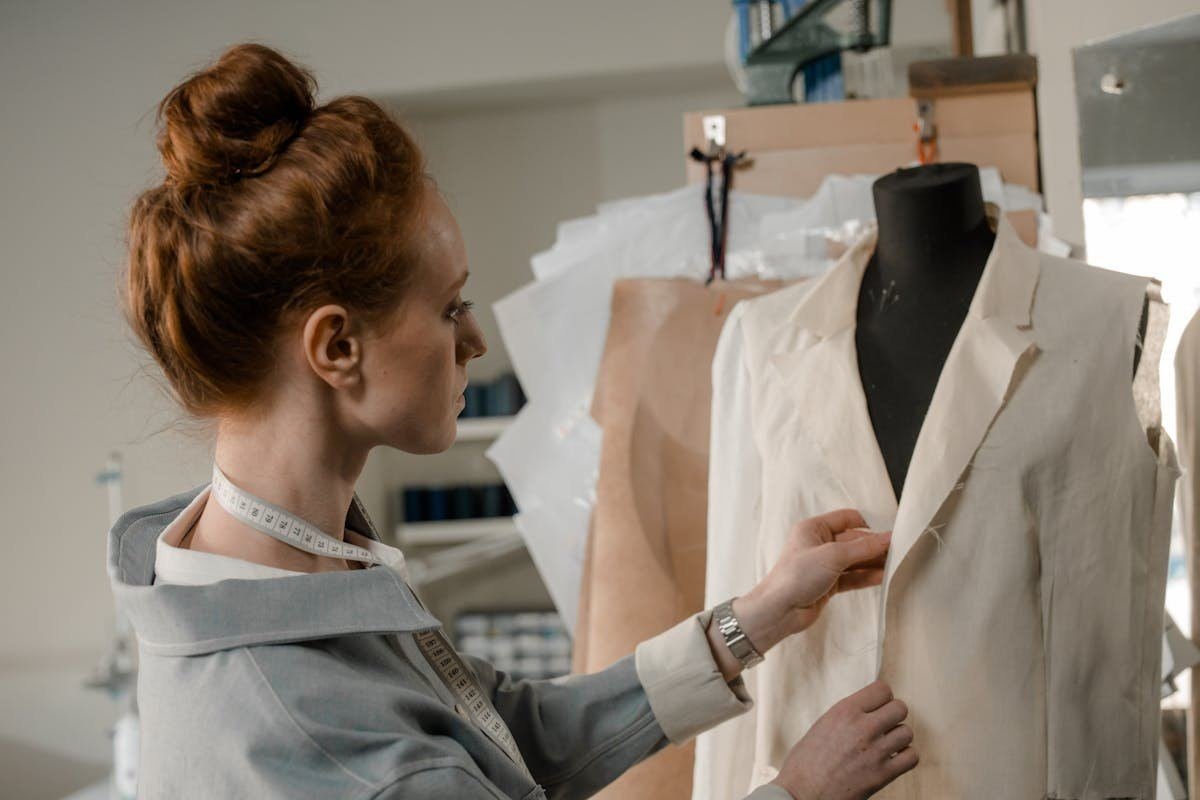
Draping is one of the oldest and most artistic techniques in fashion design. It involves manipulating fabric directly on a mannequin to create a garment, rather than sketching or pattern drafting first. This technique allows designers to work intuitively, adjusting the flow and structure of the fabric in real time.
Draping is particularly useful for creating flowing dresses, asymmetrical designs, and garments with organic shapes. Famous designers like Christian Dior and Madame Grès mastered draping to create their iconic silhouettes, such as the Dior “New Look” with its cinched waist and full skirt.
To get started with draping:
• Choose a mannequin and high-quality fabric with enough weight and fluidity for the look you envision.
• Pin the fabric to the mannequin and begin shaping it into the desired form.
• Once you’re satisfied with the draped garment, you can transfer the fabric into a pattern for sewing.
This tactile, hands-on technique remains a cornerstone in fashion houses worldwide. Learning directly from designers, such as those featured on Masterclass, can provide valuable insights into how to perfect your draping technique.
2. Tailoring: Precision in Construction
Tailoring is the technique that brings precision and structure to fashion. This method is especially important for menswear, business attire, and couture designs. Tailoring is all about fit—how a garment sits on the body—and it involves techniques like darting, shaping seams, and strategic padding.

Savile Row tailors in London are renowned for their impeccable craftsmanship, creating custom suits that fit like a second skin. Designers like Yves Saint Laurent also used tailoring techniques to reinvent women’s fashion with his iconic Le Smoking suit, introducing structured, tailored menswear elements into women’s wardrobes.
To master tailoring:
• Start by learning how to create clean, precise seams and fitting darts.
• Understand the body’s proportions and how to adjust patterns to achieve the perfect fit.
• Study the types of fabrics that work best with tailoring techniques, such as wool, cashmere, and other structured materials.
Tailoring requires an eye for detail and a steady hand, which can be developed through practice and guidance from experienced professionals. Masterclass offers lessons from world-class designers who delve into the intricacies of tailoring, helping you to refine your approach.

3. Pattern Making: Bringing Designs to Life
Pattern making is an essential technique for fashion designers, allowing them to translate their sketches into wearable garments. A pattern is the blueprint for a garment, made up of multiple pieces that, when sewn together, create the final design.
Creating patterns involves understanding garment construction, body measurements, and the ability to visualize how flat pieces of fabric will fit together. Designers like Alexander McQueen and Vivienne Westwood are known for their groundbreaking pattern-making skills, which enabled them to create complex, avant-garde garments with flawless construction.
Here’s how to start with pattern making:
• Begin by drafting a basic pattern block that fits the body. This is often done using a flat drafting technique with measurements.
• Once you have your base pattern, you can modify it to create various designs, adding elements like collars, sleeves, or different skirt shapes.
• Testing the pattern with a muslin (a test garment) allows you to make adjustments before cutting into your final fabric.
Pattern making is a technical skill that gives designers the freedom to bring their artistic visions to life. Platforms like Masterclass offer in-depth tutorials from designers who break down complex pattern-making processes into easy-to-follow steps.
4. Surface Embellishment: Adding Texture and Dimension
Surface embellishment techniques—such as embroidery, beading, and appliqué—add texture, dimension, and personality to garments. These techniques have been used for centuries in fashion design, from traditional Indian saris adorned with intricate beadwork to modern haute couture gowns by designers like Elie Saab and Valentino.
Embroidery can range from delicate, floral motifs to bold, abstract designs, while beading adds a touch of luxury and sparkle to evening wear. Appliqué involves layering fabric onto a garment to create decorative patterns or textures, often seen in avant-garde fashion collections.
To experiment with surface embellishments:
• Start with basic embroidery stitches or beadwork techniques, gradually working your way to more complex patterns.
• Use appliqué to create bold, contrasting designs or textures on simple garments.
• Use appliqué to create bold, contrasting designs or textures on simple garments.
Mastering surface embellishments requires creativity and attention to detail. Several fashion designers on Masterclass delve into this technique, offering tips on how to integrate these decorative elements into your designs seamlessly.
5. Sustainability: The Future of Fashion Design
In recent years, sustainability has become an important aspect of fashion design. Sustainable textiles and zero-waste clothing creation are just two examples of how many designers are implementing eco-friendly strategies into their designs. Stella McCartney is a leading example of a designer committed to sustainability, using cruelty-free materials and environmentally responsible methods in her collections.
Sustainable fashion techniques include:
• Upcycling: Repurposing old garments or materials to create new designs.
• Zero-waste pattern making: Designing patterns that use every inch of fabric to avoid excess waste.
• Eco-friendly fabrics: Incorporating materials like organic cotton, bamboo, or recycled polyester into your designs.
Incorporating sustainability into your fashion design is not only good for the environment but also allows you to create innovative, forward-thinking garments. As the industry shifts towards more responsible practices, learning from designers who champion sustainability, like those on Masterclass, can be invaluable for the future of your fashion career.
Fashion design is a creative and intricate subject that calls for both artistic vision and technical proficiency. Whether you’re draping fabric, perfecting tailoring, creating intricate patterns, or experimenting with embellishments, mastering these iconic techniques will allow you to create garments that are not only beautiful but also innovative.
Platforms like Masterclass provide invaluable resources for aspiring designers, offering lessons from some of the world’s most celebrated fashion figures. You may hone your skills and create a distinctive style that makes you stand out in the cutthroat field of fashion design by taking advice from these professionals.