

How These Rings Actually Read Sleep
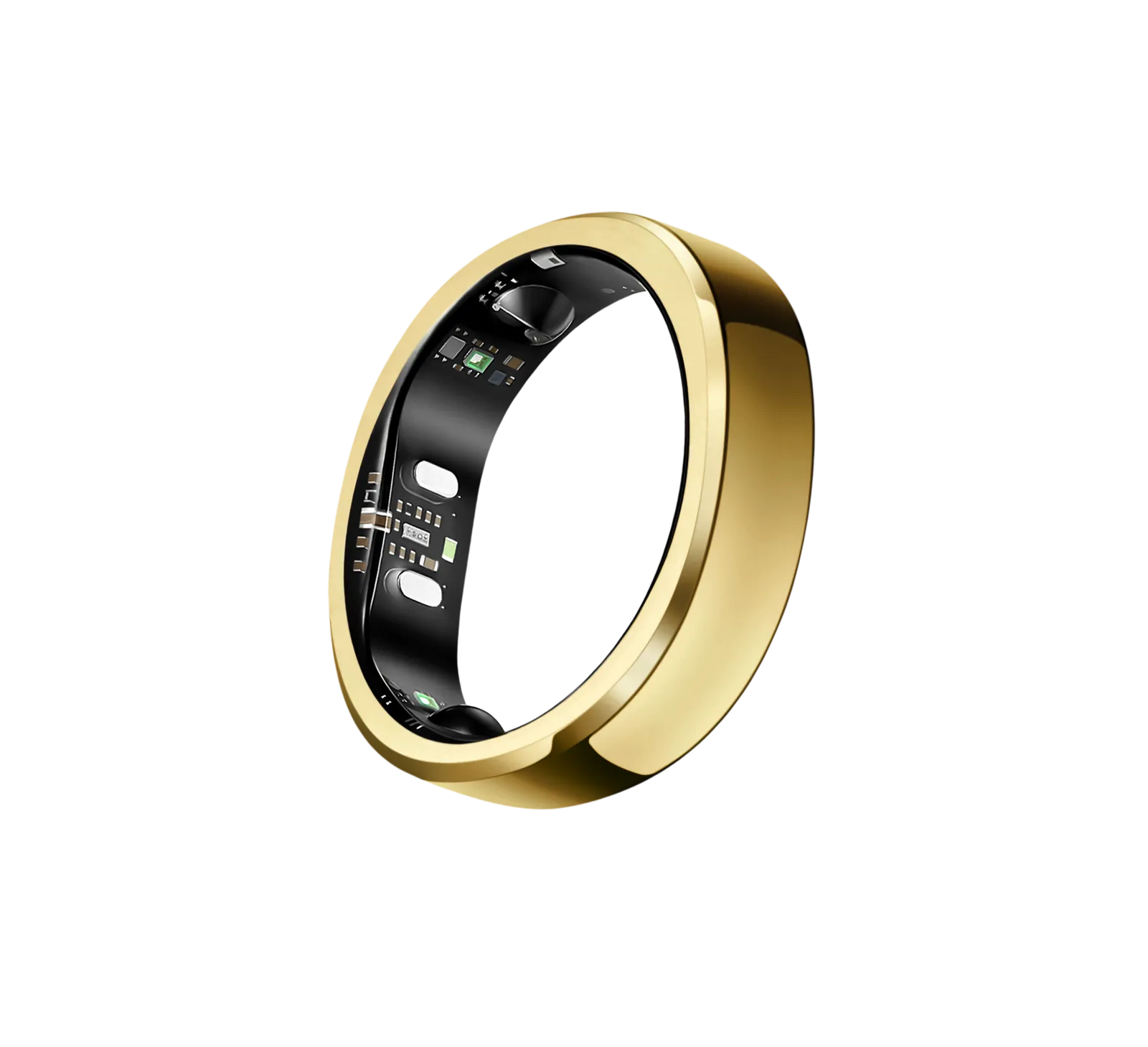
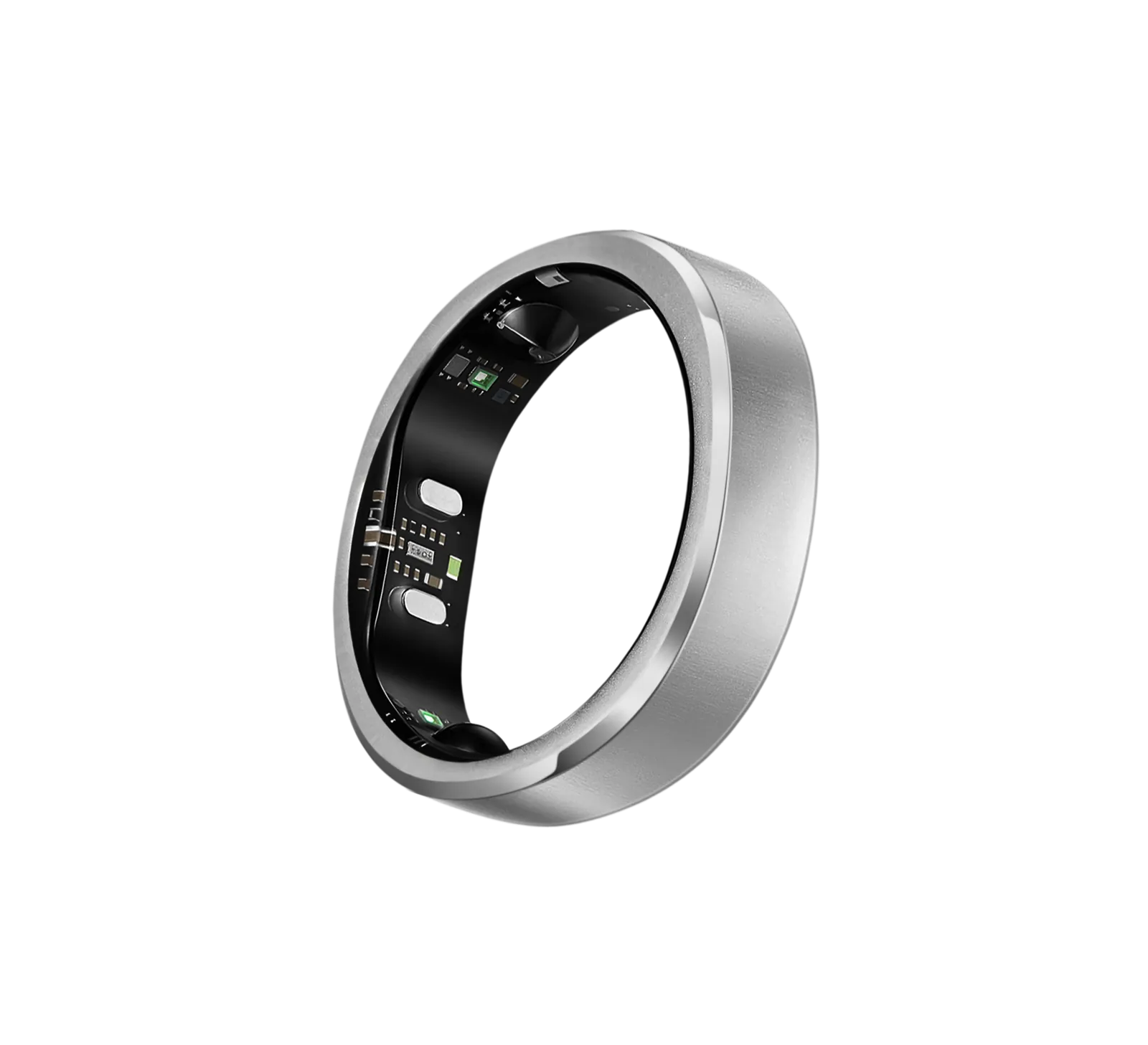
Rings pick up sleep data through a mix of movement sensors and heart rate monitoring, catching small shifts in position, breathing, and heart rate variability through the night. Since the ring sits snug on the finger with barely any movement compared to something strapped to the wrist, readings tend to come out cleaner, less noise from arm movement or a loose band sliding around while someone tosses in their sleep.
That setup allows for pretty detailed sleep monitoring, splitting the night into actual stages instead of just tallying total hours. That distinction matters more than people think, two people could each sleep seven hours and end up with completely different quality of rest depending on how much time actually went into the deeper, more restorative stages.
What the Sleep Stages Actually Mean
A good sleep tracker doesn't just spit out "seven hours logged," it breaks that down into light sleep, deep sleep, and REM sleep, each doing something different for the body and brain. Light sleep eats up most of the night, working as a kind of buffer zone between being awake and actually resting deeply.
Deep sleep is where the real physical recovery happens, muscle repair, immune stuff, the heavy lifting the body does best during this stage specifically. A deep sleep tracker flags exactly how much time gets spent here, and this is often the stage people are shortchanging without even realizing it, especially when stress or a glass of wine messes with sleep architecture that night.
Why Everyone Talks About REM So Much
REM sleep does something completely different, tied more to memory, dreaming, mental processing, not physical repair. A REM sleep tracker built into these rings shows how much time gets spent in this stage overnight, and when it's cut short, people usually notice feeling foggy or a bit off emotionally the next day, even when total sleep time looked totally fine on paper.
Watching this data stack up over several nights tends to reveal stuff that'd otherwise go unnoticed, like REM getting chopped short after a late coffee or a rough, stressful day, connections that are basically impossible to spot without something actually tracking it in the background.
Does Tracking It Actually Change Anything
This is really the heart of it, and honestly, the ring itself doesn't improve sleep on its own, it's the awareness that comes from seeing the data that tends to push better habits. Sleep monitoring reveals patterns over time, deep sleep tanking on nights with a late dinner, resting heart rate staying up after a stressful afternoon, stuff that would just fly under the radar without actual numbers backing it up.
Once those patterns get visible, a lot of people naturally start adjusting, cutting caffeine earlier in the day, keeping bedtime more consistent, putting the phone down sooner at night. Ringconn app, like most others doing this, lays the info out in a way that's easy to actually make sense of, turning raw sensor readings into something useful instead of a pile of confusing numbers.

What a Ring Just Can't Do
Worth being real about this, a smart ring sleep tracking device isn't going to fix a genuine sleep disorder or chronic insomnia by itself. For real sleep issues, seeing an actual doctor matters way more than any wearable's readings, no matter how detailed they look. What these things are actually good for is spotting patterns for people whose sleep is mostly fine but could use some tweaking, or flagging early warning signs worth bringing up to a doctor if something keeps looking off.
Treating the ring as more of a lifestyle pattern tool than an actual medical device sets expectations right from the start, which ends up making the whole experience way less frustrating.
Making the Data Worth Something
Getting real value out of a sleep tracker means actually opening the app and checking things regularly instead of letting the data pile up unread. Looking at trends over a couple weeks, instead of stressing over one bad night, tends to reveal way more useful stuff than obsessing over daily ups and downs ever will.
Ringconn builds its sleep reports around this longer-view approach, nudging people toward spotting trends rather than panicking over one rough night that might just be a random fluke.
So, Is It Worth It
A smart ring isn't going to magically fix bad sleep on its own, but the visibility into deep sleep, REM sleep, and overall sleep monitoring genuinely helps a lot of people figure out what's actually going on instead of just feeling tired and confused about why. For anyone actually serious about understanding their own sleep instead of just guessing, that kind of steady, low-effort tracking tends to be worth it, especially with brands like Ringconn making the data genuinely easy to understand and actually do something with.