
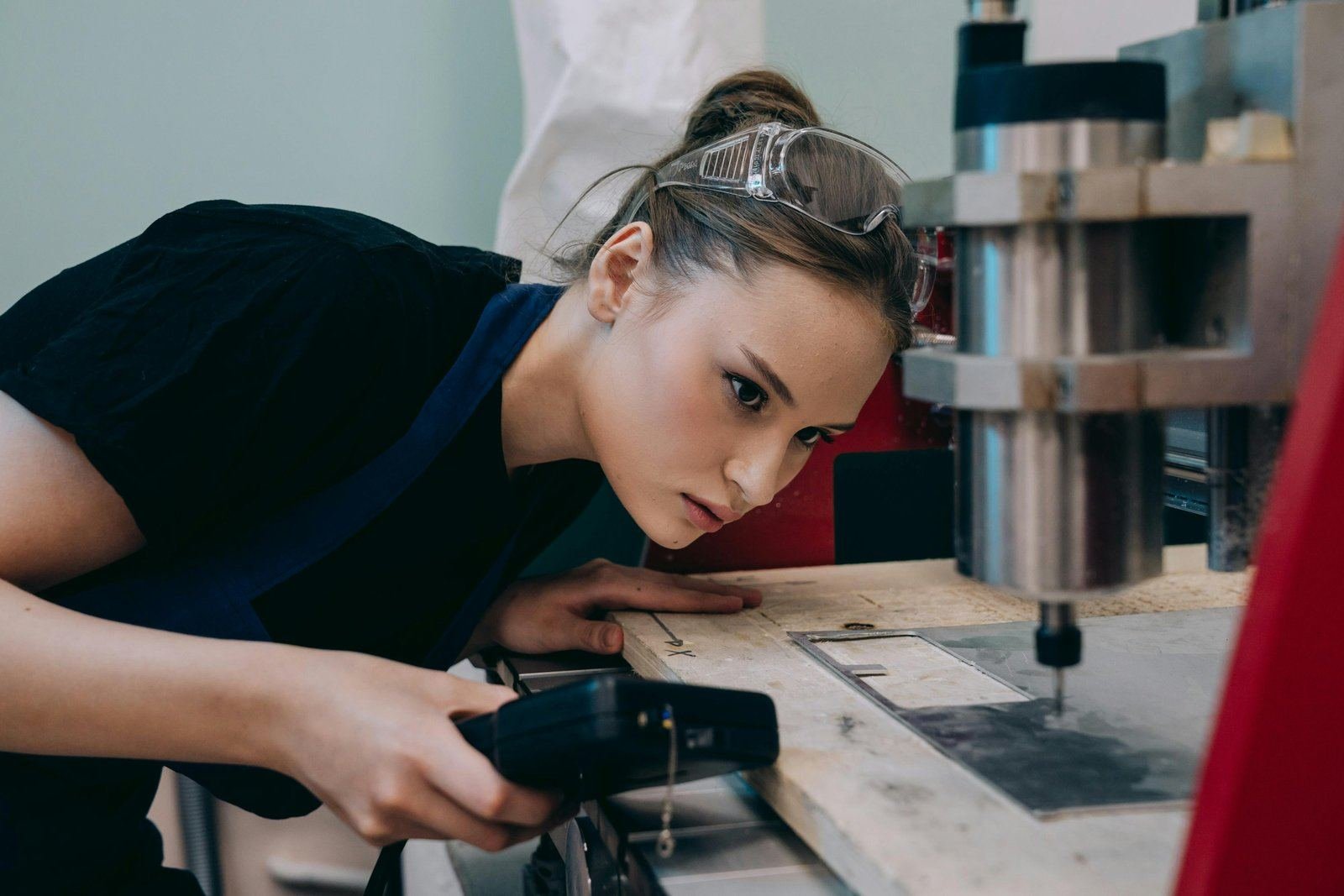
Understand What You Want to Create
Before looking at machines, take a moment to think about what you want to make. Are you interested in woodworking, engraving, prototyping, or custom product design? Maybe you want to explore multiple materials like wood, plastic, or soft metals.
Your creative goals should guide your choice. A CNC tool that works well for basic engraving may not be ideal for precision milling or detailed 3D projects. Knowing your direction helps narrow down tools that truly support your creative journey rather than limiting it.
Consider Your Skill Level
Not all CNC machines are beginner-friendly. Some require advanced technical knowledge, while others are designed to help newcomers learn gradually without frustration.
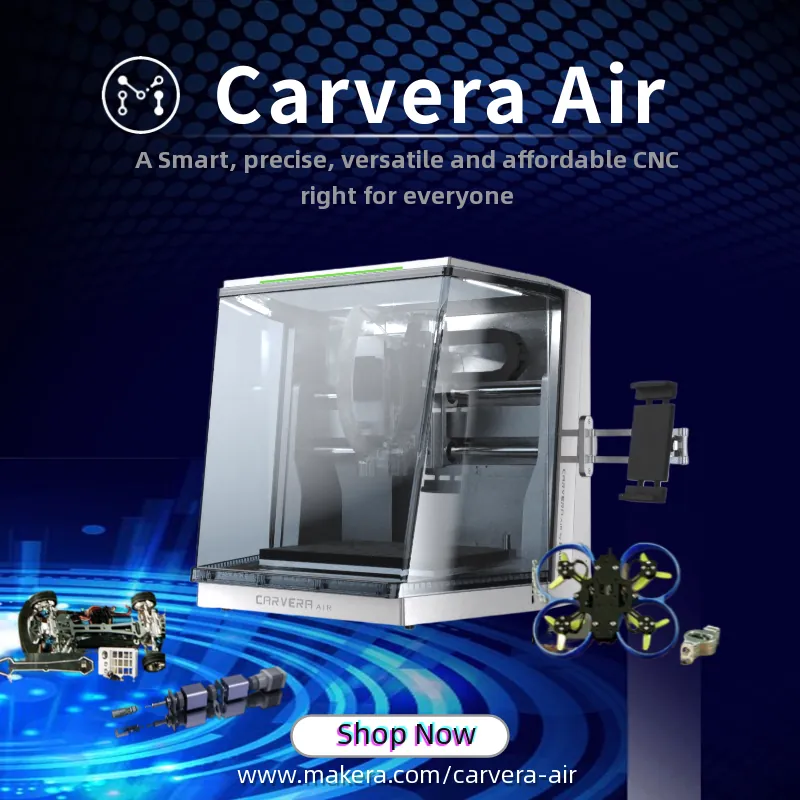
If you’re just starting out, look for a CNC tool that balances power with simplicity. An intuitive interface, guided setup, and clear software integration can make a huge difference. Brands like Makera focus on making CNC technology accessible, allowing beginners to feel confident while still offering room to grow as skills improve.
Workspace and Size Matter
CNC tools come in different sizes, and bigger isn’t always better. Think about where you’ll place the machine. Is it a home studio, a garage, or a small workspace?
Desktop CNC machines are becoming increasingly popular because they offer impressive capabilities without demanding industrial space. A compact yet powerful CNC tool lets you focus on creativity rather than logistics. Choosing a machine that fits comfortably into your workspace ensures you’ll actually enjoy using it regularly.

Software Experience Is Just as Important
A CNC tool is only as good as the software that runs it. Even the most advanced hardware can feel frustrating if the software is complex or poorly designed.
Look for tools that offer user-friendly software with features like design previews, error detection, and smooth file imports. Some modern CNC ecosystems, including those offered by Makera, integrate hardware and software seamlessly, helping creators spend less time troubleshooting and more time making.
Think Long-Term, Not Just Now
It’s tempting to choose a CNC tool based only on current needs, but your skills and ambitions will likely grow. A good CNC machine should grow with you.
Ask yourself: Will this tool still support me six months or a year from now? Can it handle more advanced projects when I’m ready? Machines designed with scalability in mind—modular features, software updates, and versatile material support—offer better long-term value.
Safety and Reliability Are Non-Negotiable
Creative work should be inspiring, not stressful. Safety features like enclosed designs, emergency stops, and smart monitoring systems matter more than many people realize—especially for home users.
Reliable CNC tools are built to reduce errors and protect both the user and the machine. Many modern desktop CNC systems, including solutions from Makera, prioritize safety without compromising performance, which is essential for creators working independently.
Support, Community, and Learning Resources
No matter how good a machine is, questions will come up. That’s why support matters. A strong user community, tutorials, documentation, and responsive customer support can significantly improve your experience.
When a brand invests in education and community, it shows they care about the user’s creative success. CNC tools backed by active maker communities often become learning platforms rather than just machines.
Balancing Budget and Value
Price always plays a role, but the cheapest option isn’t always the smartest choice. Instead of focusing only on cost, think in terms of value—what you get for your investment.
A CNC tool that saves time, reduces mistakes, and encourages creativity often pays for itself through better results and higher satisfaction. Many creators find that investing in a thoughtfully designed system, such as those developed by Makera, leads to a smoother and more enjoyable creative process.
Your CNC Tool Should Inspire You
At the end of the day, the right CNC tool should make you excited to create. It should feel approachable, reliable, and capable of turning ideas into real objects.
Choosing a CNC machine isn’t just a technical decision—it’s a creative one. When your tool supports your workflow instead of complicating it, you’ll spend more time exploring ideas and less time fixing problems. And that’s when creativity truly thrives.