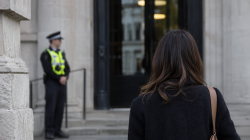
A trial in London is intended to help police identify and track drones to prevent unauthorised and dangerous activity, including disruption at major events, according to UK GOV.UK.
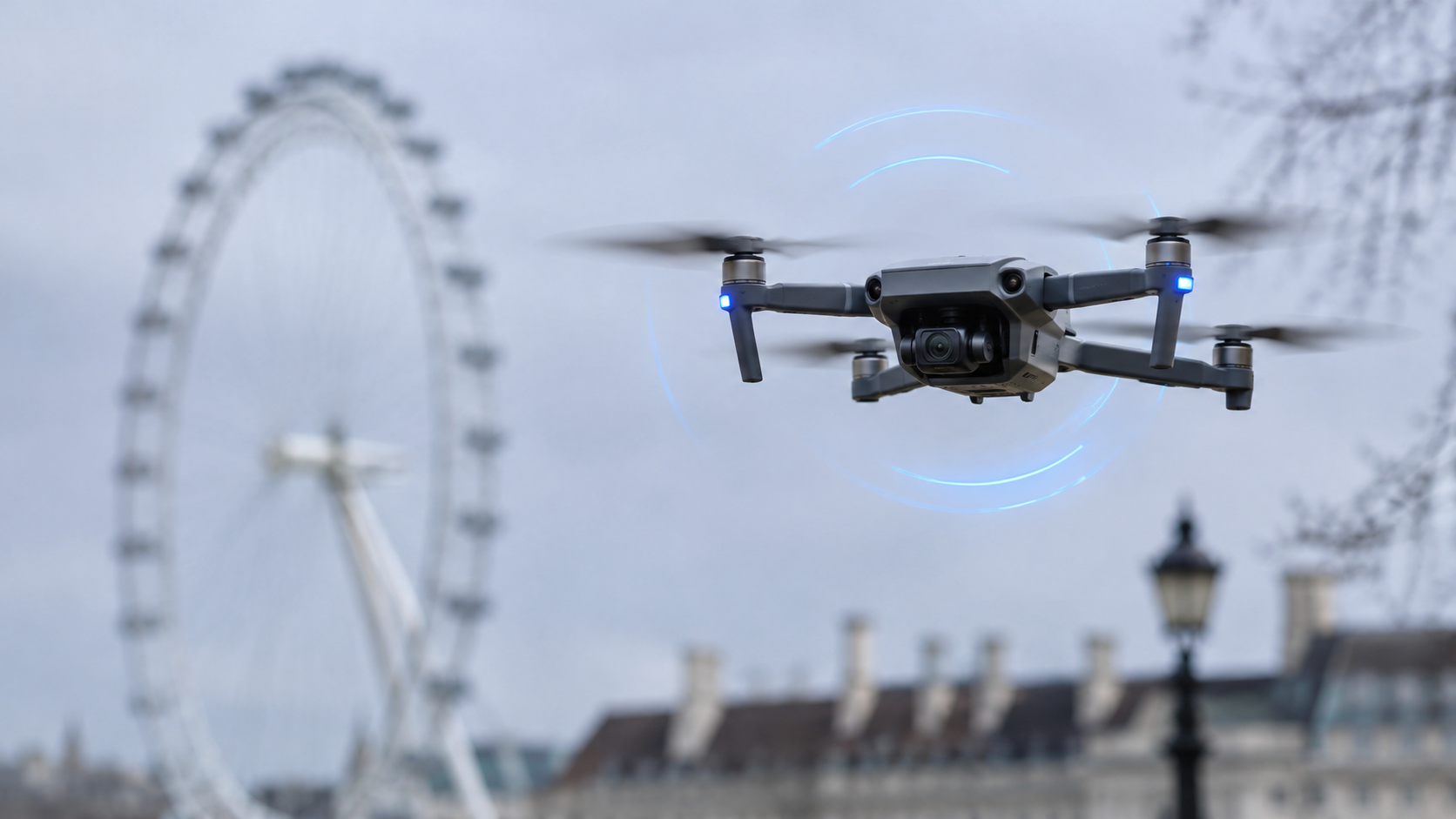
Under the nearly £2 million government-backed trial announced today (24 November 2026), police will receive new technology designed to improve their ability to identify and track drones.
The equipment will be capable of detecting drones’ digital ‘number plates’, which UK GOV.UK said should help officers respond more effectively when drones are used dangerously or cause disruption.
Existing digital number plates provide a drone’s identity and location, but their signals can generally be detected only within a limited vicinity.
The new equipment is expected to extend the reach and improve the accuracy of detection, giving police a more comprehensive picture of drone activity across the capital.
UK GOV.UK said the trial follows increased concern about drones being flown illegally near major public events. Cited incidents included disruption at an Arsenal fixture last month and more than 10 drone seizures around Oasis concerts last year.
The measures could also inform future attempts to tackle unauthorised drone activity near airports and other sensitive locations. UK GOV.UK referred to an aircraft that encountered an illegal drone near Heathrow in October.
UK GOV.UK stated: “Dangerous and nuisance drones can have a real impact by showing up and disrupting major events – not only spoiling the fun but creating a security risk.
That’s why we’re putting new technology in police hands to track the ‘number plates of the sky’ and crack down on illegal use.
Our £2 million investment will strengthen security while supporting an industry that could transform vital services, create jobs and generate up to £103 billion for the UK economy.”
The Department for Transport (DfT) is providing £1.2 million for the trial, which is also intended to help drones operate safely alongside other aircraft and increase the frequency of medical deliveries and shopping services, including Amazon deliveries.
A further £500,000 will come from the Regulatory Innovation Office to support new police equipment and infrastructure and continue work aimed at removing obstacles to expanding drone operations.
According to UK GOV.UK, the UK’s drone sector could add up to £103 billion to the economy over the next 25 years, with potential uses spanning urgent medical deliveries, retail and infrastructure.
Louisa Smith, Chief Operating Officer at Apian, said:
“Our NHS drone services are already helping clinicians provide vital care through faster deliveries and quicker test results. These services depend on close collaboration with aviation partners, regulators and security services.
Giving the police better tools to identify drones and distinguish authorised operations from potentially illegal activity will help build confidence in the safe and responsible use of drones.
Our ambition is to connect hospitals and laboratories across London, rapidly delivering pathology samples, medicines, blood and transplant organs wherever the NHS and patients need them. Achieving this will require continued collaboration and the development of solutions that enable safe and reliable drone operations at scale.”
UK GOV.UK said the technology should also strengthen security at major events such as concerts, football matches and festivals by improving the police’s ability to detect, identify and respond to potentially dangerous drone activity.
Drones are already being used to improve railway safety, including by inspecting infrastructure such as bridges and assisting responses to passenger incidents, according to the announcement.
In Birmingham, sensors installed beside rail infrastructure are giving the police and Network Rail a clearer picture of airspace near key sites, with the aim of preventing nuisance drones from disrupting trains and construction work.
The National Police Chiefs’ Council will decide where the equipment is used during the London trial.
Over the longer term, UK GOV.UK said the trial is expected to provide police with greater visibility of drone activity throughout the country.
The initiative follows nearly £50 million in government investment announced in May to advance drone and flying taxi technology.
Based on a UK GOV.UK news release · Read the original ↗