

In the ever-evolving landscape of the digital age, the dynamics of the workplace have undergone a profound transformation. Employee development is no longer confined to traditional training programs and workshops; instead, companies are harnessing the power of online platforms like MasterClass to nurture the talents and skills of their workforce. With the right platform, the journey becomes an integral part of this cultural exchange. Encounters with people along the way contribute to the richness of the overall experience.
The Digital Shift in Employee Development
In the past, employee development often involved in-person seminars, workshops, and lengthy training sessions. While these methods are still relevant, the digital age has brought forth new opportunities. They offer more flexible and personalized learning experiences. Platforms, with its curated courses taught by industry experts and celebrities, has emerged as a game-changer in this space.

Breaking the Constraints of Traditional Training
Platforms provide a versatile learning where employees can access a diverse range of courses spanning various disciplines, from leadership and communication to creativity and innovation. Unlike traditional training programs, which can be rigid and one-size-fits-all, platforms allow employees to tailor their learning experience based on their specific roles, interests, and career aspirations.
Learning from the Best: Expert Instructors
A notable aspect of MasterClass is its remarkable roster of instructors, who are experts and celebrities in their respective fields. Imagine your team learning about leadership from former Starbucks CEO Howard Schultz or honing their negotiation skills with the guidance of former FBI hostage negotiator Chris Voss. These real-world insights from accomplished professionals add a unique dimension to employee development, bridging the gap between theory and practical application.
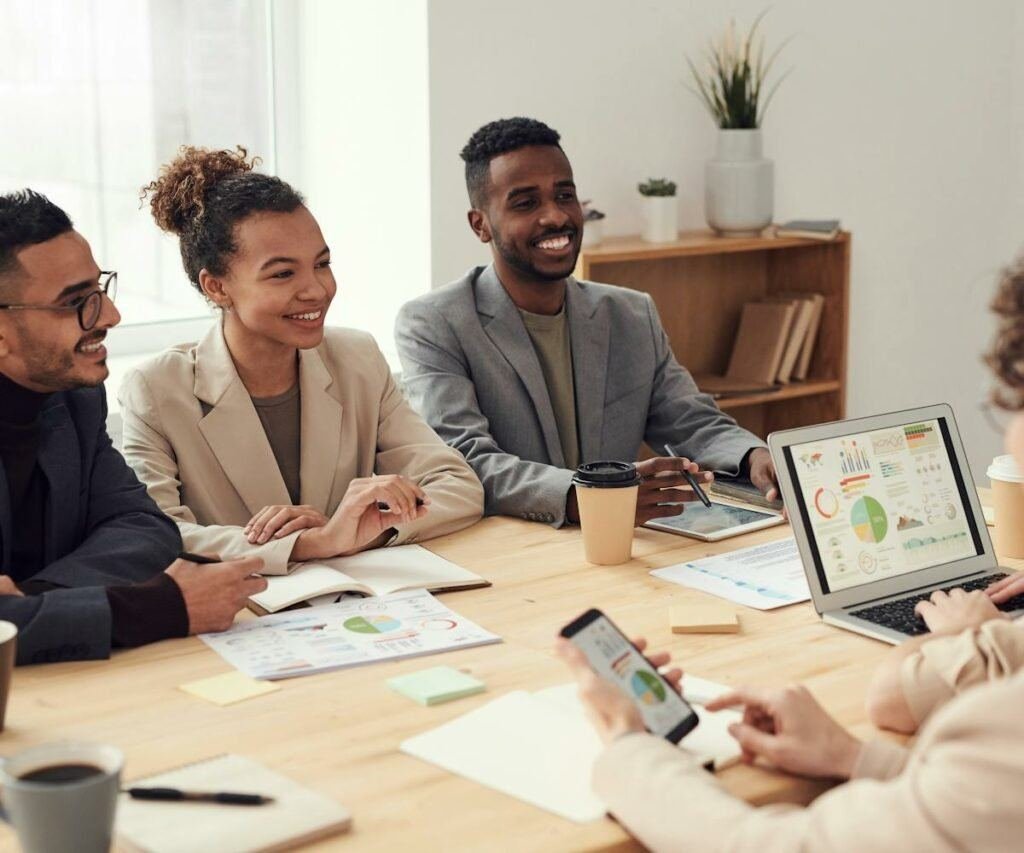
Fostering a Culture of Continuous Learning
Employee development is no longer a one-time event; it's an ongoing process that requires adaptability and continuous learning. Digital Platforms, with its on-demand nature, allows employees to participate in learning at a self-determined pace and on their own schedule. This flexibility is particularly beneficial in a fast-paced digital environment where skills become obsolete quickly, and staying current is essential.
Skill Diversification: Beyond Job Titles
In the digital age, job roles are becoming increasingly multifaceted. Employees are expected to possess a diverse skill set that goes beyond their specific job titles. Digital platforms facilitate skill diversification by offering courses that encompass leadership, creativity, critical thinking, and more. This holistic approach to employee development aligns with the demands of the modern workplace, where versatility is highly valued.

Global Accessibility and Inclusivity
A notable benefit of digital platforms involves their global accessibility. Regardless of geographic location, employees can access the same high-quality content and learn from the best in the world. This inclusivity ensures that organizations with diverse and dispersed teams can provide equal learning opportunities to all employees, fostering a sense of unity and collaboration.
Tracking Progress and Measuring Impact
Effective employee development programs require not only engaging content but also tools for tracking progress and measuring the impact of learning initiatives. MasterClass provides analytics and reporting features that enable organizations to monitor employee participation, track completion rates, and assess the impact of the acquired skills on job performance. This data-driven approach empowers HR and L&D professionals to craft informed decisions and fine-tune their strategies for maximum effectiveness.
Integration with Corporate Goals and Values

Employee development should align with the overall goals and values of the organization. Digital platforms allows companies to customize learning paths that reflect their specific industry, corporate culture, and strategic objectives. This integration ensures that the skills employees acquire are directly relevant to their roles and contribute to the company's success.
Overcoming Challenges and Maximizing Benefits
While the adoption of digital platforms for employee development brings numerous benefits, it also comes with its challenges. Resistance to change, concerns about the digital divide, and the need for effective communication are common hurdles organizations may face. Overcoming these challenges necessitates a strategic approach that includes clear communication, training, and a phased implementation plan.

Digital Learning a Catalyst for Future-Ready Employees
In the digital age, employee development is not just about acquiring specific job-related skills; it's about fostering a mentality of ongoing learning and adaptability. Digital learning platforms serves as a catalyst for this transformation, providing organizations with a powerful tool to nurture the talents of their workforce. While organizations navigate the intricacies of the digital era, embracing innovative approaches to employee development becomes imperative. MasterClass, with its star-studded lineup of instructors and diverse course offerings, is a beacon guiding organizations toward a future where their employees are not just competent but also inspired and future-ready.