
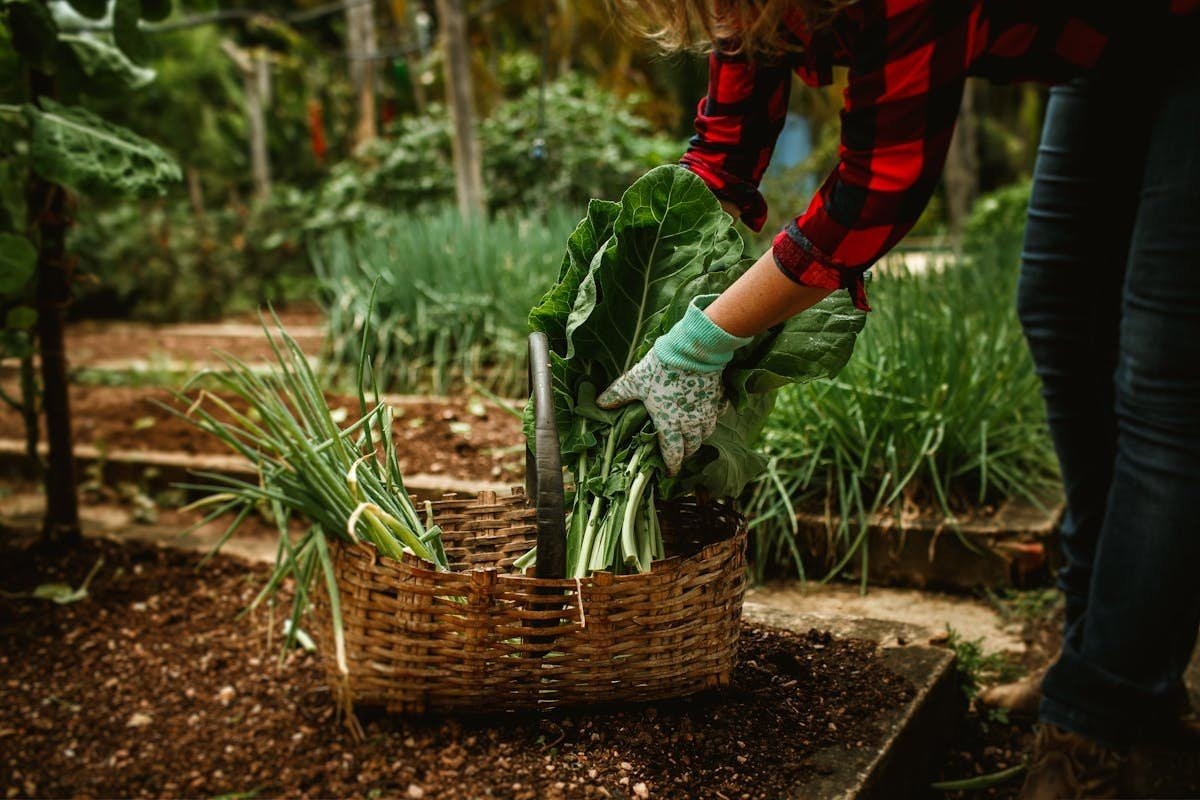
There’s something uniquely satisfying about growing your own food. Whether it's a bunch of fresh herbs on your windowsill or a thriving backyard garden full of produce, growing your own food provides a rewarding way to eat healthier, reduce grocery costs, and engage with nature. Even anyone without a green thumb may build a beautiful and fruitful garden with a little patience and help. For beginners, MasterClass offers valuable insights from expert gardeners to make this journey accessible and enjoyable.
Why Grow Your Own Food?
Growing your own food not only supplies you with fresh produce, but it also helps you reconnect with the food you eat. The experience promotes an understanding of seasonality, sustainability, and a more mindful approach to cooking. Additionally, homegrown fruits, vegetables, and herbs often taste better and have more nutrients than store-bought varieties. For those interested in taking the plunge, Growing Your Own Food: A Beginner’s Guide to Gardening covers essential tips to get started.

Choosing the Right Location
The first step to successful gardening is picking a decent location. Because they need it to flourish, plants do best in areas that receive at least six hours of direct sunlight each day. If you don’t have a backyard, no problem—many plants grow well in containers on a sunny balcony or even indoors near a window.
Growing Your Own Food: A Beginner’s Guide to Gardening on MasterClass encourages new gardeners to observe their chosen location throughout the day, noting the sun's pattern and any potential shade. These factors will help you decide which plants to grow. If sunlight is limited, herbs like mint, parsley, and chives can still thrive with only partial sunlight, making them excellent options for indoor gardening.
Selecting the Right Plants for Beginners
It’s easy to feel overwhelmed by the many choices available, but starting small is key. For novices, leafy greens (like spinach and lettuce), root veggies (like carrots and radishes), and herbs are excellent choices. These plants are not only relatively easy to grow, but they also provide a quick harvest, which is encouraging for new gardeners.

On MasterClass, experts often suggest considering climate and seasonality before planting. A little research on your local growing zone can prevent frustration and maximize productivity. Growing plants native to your region or plants suited to your climate can simplify your gardening experience and improve your chances of success.
Understanding Soil and Nutrients
A good garden starts with healthy soil. The soil should be rich in organic matter and well-draining; as different plants have specific nutrient needs. Compost and organic fertilizers, which are rich in vital nutrients like potassium, phosphorus, and nitrogen, can help you increase the quality of your soil.
Growing Your Own Food: A Beginner’s Guide to Gardening recommends using a basic soil test kit to check pH levels, which affect nutrient availability. MasterClass gardening experts stress the importance of getting the soil just right; when it’s properly balanced, plants can absorb nutrients effectively and produce abundant yields.

Watering Techniques for Beginners
Watering is a crucial yet often misunderstood part of gardening. Plants that receive too little water may wilt, and those that receive too much water may develop root rot. In general, you should water a lot of plants and veggies when the top inch of soil feels dry. Checking your soil regularly can help you establish a watering schedule that suits your plants’ needs.
In the course on gardening, experts suggest deep watering once a week for most outdoor plants, which encourages the roots to grow deeper into the soil, making plants more resilient. With container gardening, however, you may need to water more frequently, as pots dry out faster.
Pest Control and Plant Health
Unfortunately, pests are often part of the gardening experience. MasterClass offers beginner-friendly advice on how to recognize and manage common garden pests without harsh chemicals. Using neem oil, introducing beneficial insects like ladybugs, and routinely checking your plants for symptoms of trouble are a few easy, natural ways.
Growing Your Own Food: A Beginner’s Guide to Gardening also emphasizes plant health. A well-maintained plant is better able to withstand pest attacks. Pruning and removing dead leaves on a regular basis will help increase ventilation and stop mold and mildew from growing, which can damage your plants.
The Rewards of Patience and Consistency
Gardening is a journey, and patience is essential. Plants need time to grow and flourish, and results may not be instant. One of the main takeaways from the MasterClass on gardening is to enjoy the process, focusing on the small milestones. The thrill of seeing the first shoots pop up, watching leaves grow, and finally harvesting produce you grew yourself is deeply rewarding.
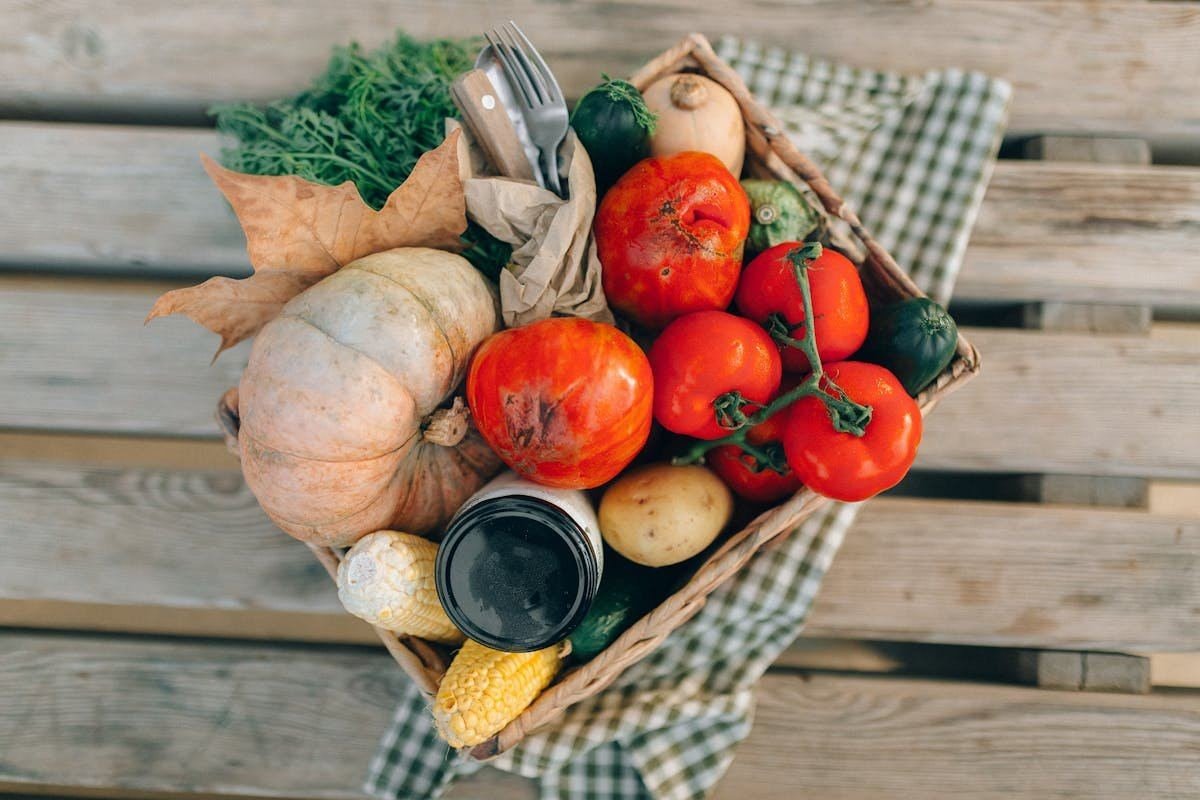
Gardening also teaches us resilience and adaptability. When a plant doesn’t grow as expected or a pest problem arises, these setbacks are opportunities to learn and improve. Each season, you’ll gain more experience and better understand what works for your garden, making each year more productive than the last.
Bringing Expert Gardening Tips to Your Fingertips
MasterClass provides a wealth of knowledge that’s perfect for beginners. With lessons from horticulturalists and garden designers, you’ll find detailed advice and practical tips that make the learning process easy and enjoyable. Growing Your Own Food: A Beginner’s Guide to Gardening is designed to equip you with both foundational skills and expert techniques.
Courses are structured so you can learn at your own pace. The gardening course includes demonstrations, troubleshooting guides, and advice on various gardening styles. Whether you’re interested in starting a small herb garden or cultivating a more extensive vegetable plot, it gives you the tools to get started and the confidence to keep going.
Final Thoughts on Growing Your Own Food
Aside from producing food, gardening is also a happy, reflective, and environmentally conscious activity. With a little help and perseverance, you can grow fresh, tasty food in a large backyard or just a few pots on a windowsill. For anyone ready to begin their gardening journey, Growing Your Own Food: A Beginner’s Guide to Gardening on MasterClass is a fantastic resource to get started.
So, why not dig in and start planting today? With the right approach and a willingness to learn, you’ll soon have a thriving garden full of your favorite herbs, vegetables, and maybe even a few fruits. Embrace the learning process and savor the rewards of eating fresh produce grown with your own hands. Happy gardening!