Why mental health care and suicide prevention are related but distinct
Discussions about suicide prevention often treat it as synonymous with mental health care, according to VA News.
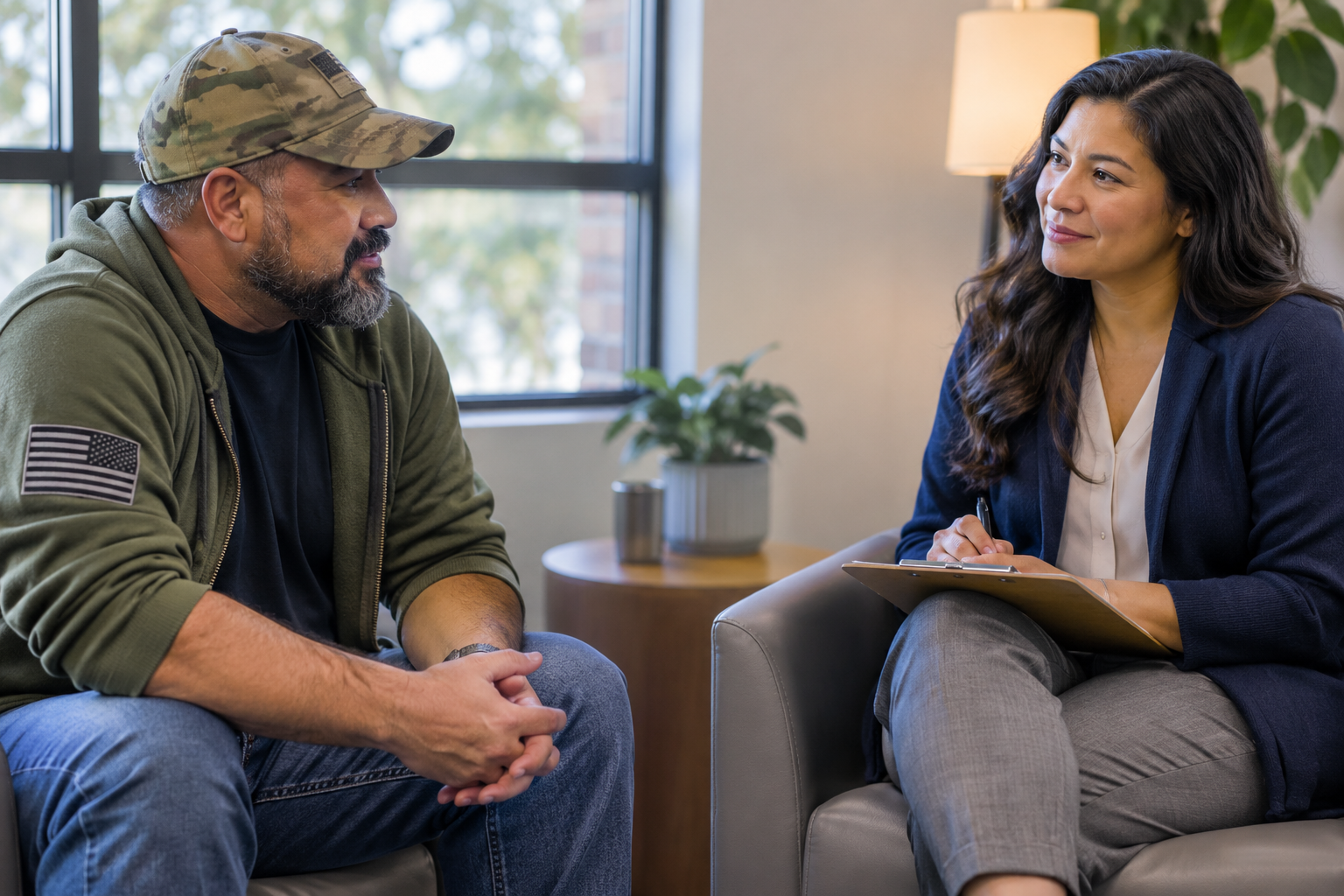
VA News says the two are deeply connected and that mental health care is vital to suicide prevention, but they are not interchangeable. Equating them may unintentionally exclude Veterans, particularly those who do not view themselves as having a mental health condition. Understanding the distinction, the agency says, can help more people support Veterans and contribute to suicide prevention.
How they overlap
Mental health and suicide prevention share important connections. VA News says conditions such as depression, anxiety or posttraumatic stress disorder can raise suicide risk, while caring and compassionate support can make a tremendous difference. Access to mental health care is a protective factor, and staff at local VA facilities are available to provide that care.
How they differ
VA News emphasizes that most people living with a mental health condition never attempt suicide. A diagnosis does not determine someone’s future or mean that person will experience a suicide crisis. Conversely, some Veterans may face a suicide crisis because of difficult or unexpected life events rather than a mental health diagnosis.
Those difficulties may include financial problems, the end of a relationship, legal concerns, persistent pain or the death of a loved one. VA News says these stressors can make an already difficult period feel overwhelming and may affect anyone, including people who have never visited a mental health clinic.
If someone is worried about a Veteran, asking, “Are you thinking of suicide?” is important, according to VA News. However, people do not need to wait for a crisis before connecting a Veteran with resources. Some Veterans recognize that they are going through an extremely difficult period but would not describe themselves as thinking about suicide. When life’s challenges accumulate and begin to feel overwhelming, support is available, and reaching out early can help.
What the distinction means for others
VA News says that if suicide risk resulted only from mental health conditions, prevention would largely fall to health care professionals. Because social, economic and personal circumstances can also shape risk, however, the agency describes suicide prevention as a community-wide effort.
According to VA News, everyone can contribute to Veteran suicide prevention. That may include a family member noticing that a loved one seems different after losing a job, a coworker making time for a friend experiencing a divorce or a faith community supporting someone following a death. Veterans can and should also continue looking out for one another. People do not need clinical training or other expertise to support a Veteran facing hardship; being present, listening and speaking openly with a Veteran who may be struggling can often matter most.
VA News says such support can make a life-changing difference.
Learning the Signs of Crisis may help people recognize when to reach out. VA S.A.V.E. Training is described as a short, free resource that guides anyone through responding with care. VA News also points readers to this VA News story about how everyday connections may reduce suicide risk and how to support nearby Veterans.
VA News notes that the Veterans Crisis Line assists with many kinds of challenges, not only emergencies, and that people may have good reasons to contact it even when no one is in immediate crisis. Callers are connected with a caring, compassionate responder who listens without judgment and helps identify support. The service is confidential and available 24/7. Dial 988 then Press 1, chat online at VeteransCrisisLine.net/Chat, or text 838255. Veterans do not have to be enrolled in VA health care to make contact, and callers do not need to wait until a crisis occurs.
Mental health care and suicide prevention are not identical, VA News concludes. Recognizing the difference can enable more people to help keep the Veterans in their lives safe and well.
Based on a VA News news release by Nikki Verbeck · Read the original ↗