

What This Actually Is
Red light therapy, sometimes called photobiomodulation, uses specific wavelengths of red and near-infrared light aimed at the skin. The basic idea is simple enough. These wavelengths reach into tissue and interact with cells, especially the mitochondria, which handle a cell’s energy production. The theory is that this interaction might help with tissue repair and calm inflammation in the area being treated.
None of this is brand new, really. Light therapy in some form has been studied for decades. What’s newer is the compact, home-use version now sitting on people’s shelves. Infrared light for back pain gets a lot of attention specifically because it goes deeper into tissue than regular red light, and that matters for the lower back, where muscles and joints sit under a fair bit of flesh.
What the Studies Found
A handful of clinical studies have looked at red light therapy and chronic low back pain. The results lean cautiously positive. Not dramatic, just cautiously positive. Several trials found that people using red or infrared light had lower pain scores and moved better than control groups, though how much it helped varied quite a bit from study to study. And some of those trials were small, which is worth keeping in mind.
Most researchers say more large, well-controlled studies are needed before anyone calls this a proven treatment on the level of physical therapy or medication. Still, there’s enough evidence now that quite a few physical therapy and sports medicine clinics use light therapy as a backup tool rather than ignoring it completely. It sits in that middle zone. Promising, worth taking seriously, but not quite proven enough to call it a fix.
How People Actually Use It
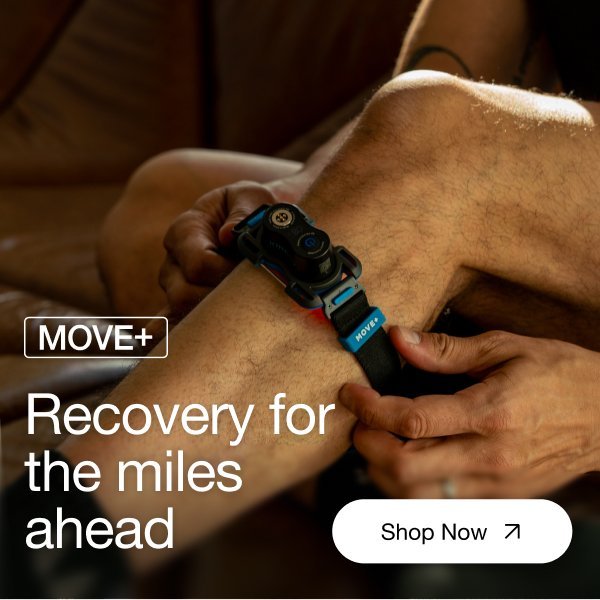
Red light therapy lower back use usually means holding or strapping a panel or wrap-style device against the skin for ten to twenty minutes, a few times a week. Showing up consistently seems to matter more than any one session, since the whole idea relies on effects building up slowly rather than fixing things overnight.
Kineon makes handheld and wearable devices built for exactly this kind of regular, at-home routine. That fits a bigger shift happening across the industry, away from clinic-only equipment and toward stuff people can use on their own couch. Makes it a lot easier to fit a session into the evening instead of booking repeat clinic visits every week.
Who Tends to Notice a Difference
The people who report the most improvement usually have chronic, dull aching rather than a fresh injury. Stiffness from sitting too long, general lower back discomfort from bad posture, tight muscles after a workout, these come up again and again, both in clinical notes and in everyday feedback. Sharp or sudden pain right after an injury is different though. That needs a proper medical check, not light therapy on its own, since it could be something that needs direct treatment.
Worth saying too that red light therapy for back pain seems to work best alongside other things, not standing alone. Stretching, movement, decent posture, a bit of strength work, these still do most of the heavy lifting when it comes to managing back pain. Light therapy seems to support that, not replace it.
Keeping Expectations Realistic
Going in with realistic expectations really matters here. This isn’t some miracle fix, and anyone promising instant, dramatic results is stretching the truth a bit. What the research actually backs up is a modest tool that might ease inflammation and discomfort over time, especially for ongoing, low-grade back pain rather than a fresh injury.
For back pain relief, the smarter move is combining a few things rather than betting everything on one gadget. Anyone curious can take a look at what Kineon offers, since their devices are built for home use on joints and muscles, lower back included. As with any pain approach, it’s worth checking with a doctor or physio first, especially if the pain’s ongoing or severe, so red light therapy ends up being one part of a proper plan rather than something used instead of actual medical advice.