
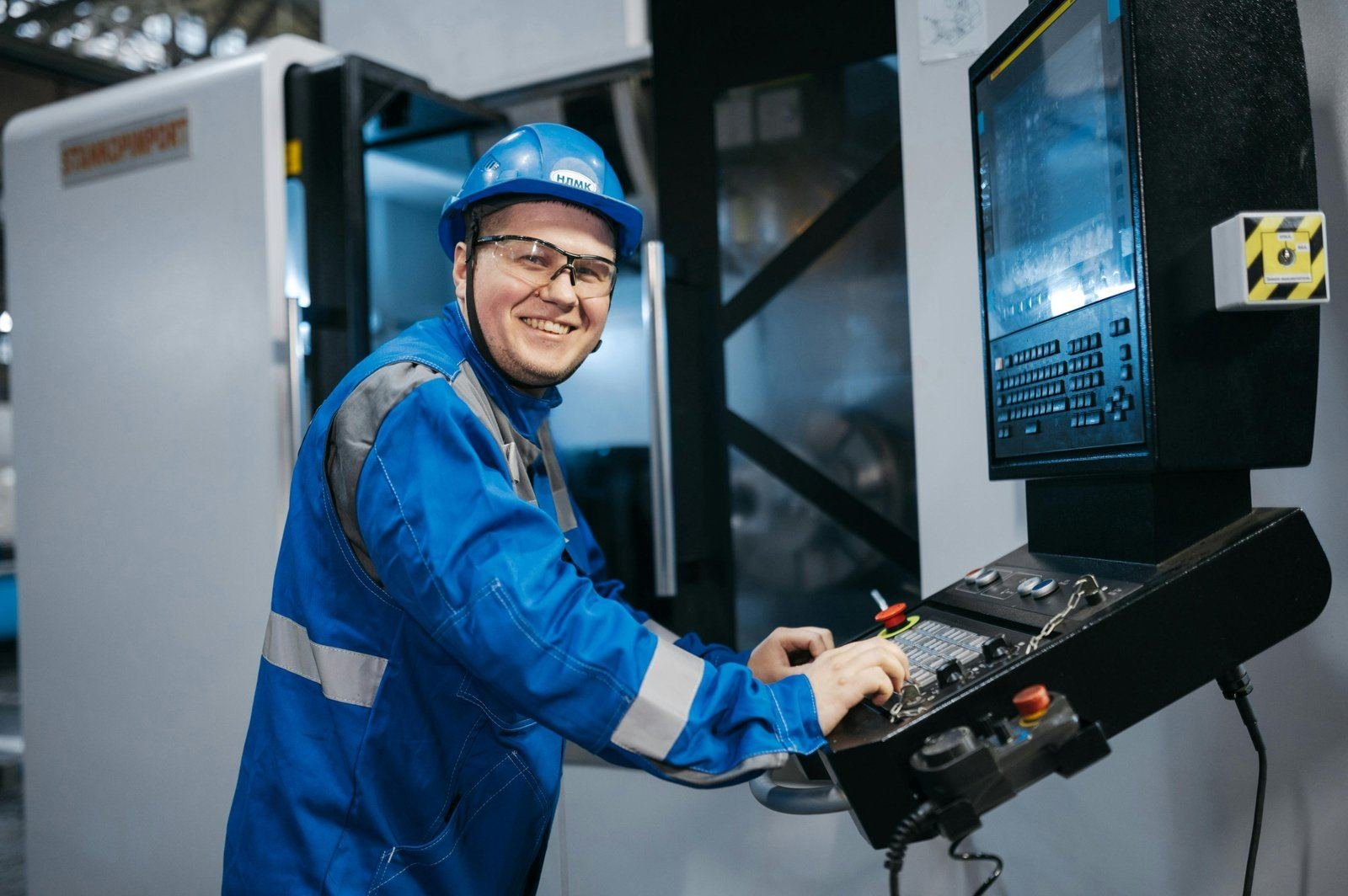
Understanding What a CNC Machine Really Does
At its core, a CNC machine translates digital designs into physical objects by cutting, carving, or engraving materials with high precision. Unlike manual tools, CNC machines follow programmed instructions, which means consistency, accuracy, and repeatability. For beginners, this automation is a major advantage because it reduces human error and allows you to focus more on creativity and design rather than technique.
Many first-time users assume CNC machines are only for industrial workshops, but modern desktop CNC machines are designed specifically for makers, hobbyists, educators, and small businesses. They bring professional-grade capabilities into a compact, user-friendly setup.

Identifying Your Purpose Before Buying
Before choosing a machine, it’s important to be clear about how you plan to use it. Some people want to experiment with woodworking projects, while others aim to engrave metal, create prototypes, or explore mixed-material designs. Your intended use will influence everything from machine size to spindle power and compatibility with accessories.
If your goal is learning and experimentation, a machine that supports multiple materials and tool types will keep you engaged longer. This is where brands like Makera stand out, as their machines are designed to handle wood, plastic, and even aluminum without requiring separate setups or upgrades right away.
Size, Space, and Practical Setup
One of the most overlooked factors is physical space. A CNC machine should fit comfortably into your workspace without turning it into a safety hazard or constant inconvenience. Desktop CNC machines are ideal for beginners because they balance performance with practicality.
Beyond size, consider how easy the machine is to set up. Machines that arrive mostly assembled reduce frustration and allow you to start learning immediately. Many users appreciate systems where calibration, tool alignment, and safety features are already built in, which is something Makera machines are particularly known for.

Ease of Use and Learning Curve
Your first CNC machine should feel inviting, not intimidating. A beginner-friendly interface, clear documentation, and supportive software can make a huge difference in how quickly you gain confidence. The best machines guide you through the process rather than expecting you to figure everything out on your own. When hardware and software work together smoothly as an integrated system, it helps reduce common beginner mistakes and allows new users to focus on creating instead of troubleshooting.
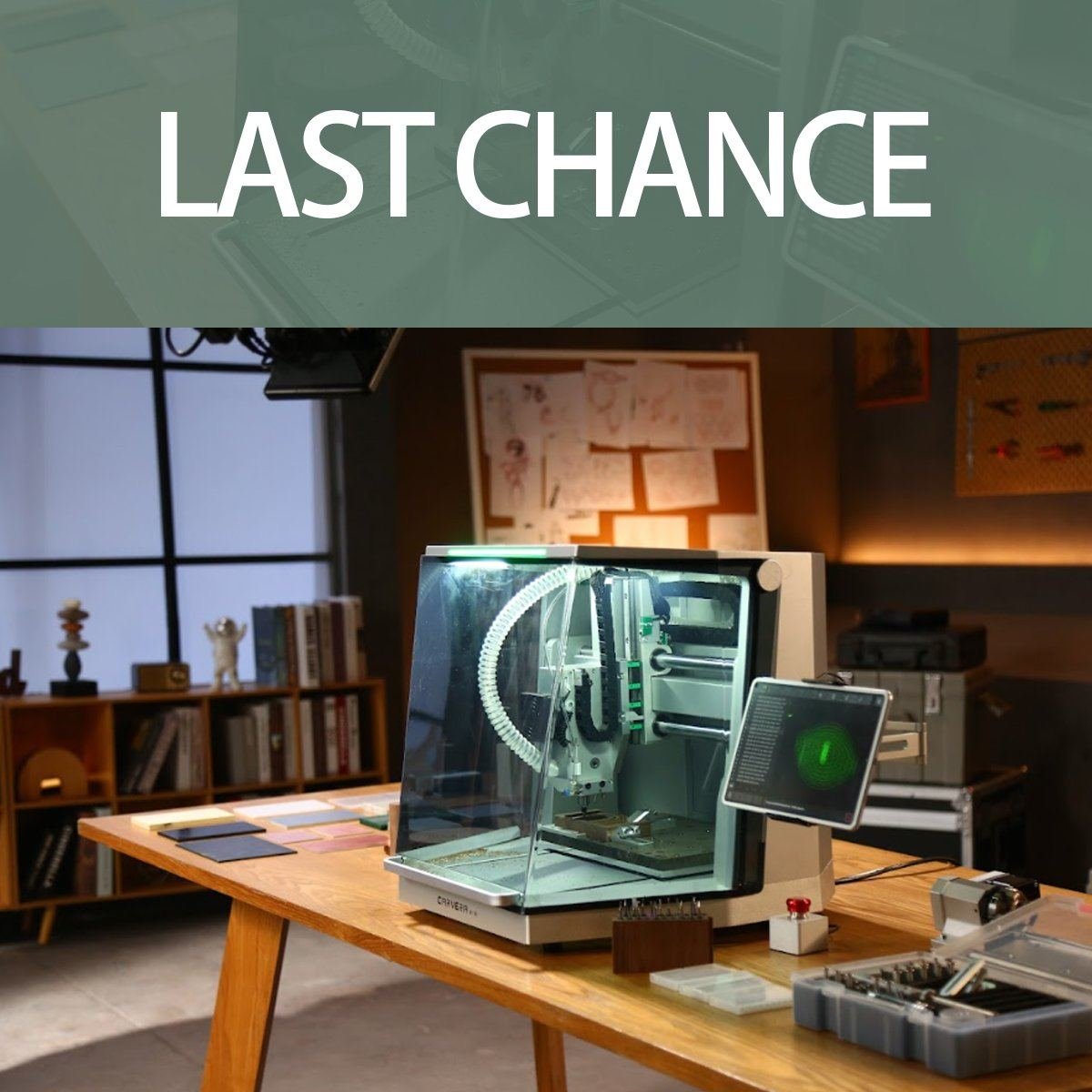
Software Compatibility and Workflow
CNC machines rely heavily on software, from design to execution. Look for machines that support widely used design and CAM software so you’re not locked into a single system. A smooth workflow between design, simulation, and machining saves time and prevents costly errors.
Some manufacturers provide their own optimized software, which can be especially helpful for beginners. Makera's approach simplifies the transition from idea to finished product, making it easier for users who are still learning digital fabrication concepts.
Build Quality and Long-Term Value
Your first CNC machine is an investment, so durability matters. A solid frame, quality components, and reliable motion systems ensure consistent results over time. Cheaper machines may seem attractive initially, but they often lead to maintenance issues or limitations that slow your progress.
A well-built machine grows with you as your skills improve, supporting both beginner-level learning and more advanced projects later on, and reducing the need for an early upgrade.

Safety and Confidence While Working
Safety should never be an afterthought, especially for beginners. Features like enclosed designs, automatic tool detection, and dust management contribute to a safer and cleaner workspace. Feeling safe while operating the machine builds confidence and encourages experimentation.
Makera integrates several of these safety-focused features into their designs, which helps beginners feel comfortable using powerful tools in a home environment.

Making the Right First Choice
Choosing your first CNC machine is less about finding the most powerful option and more about finding the right balance between ease of use, versatility, and long-term potential. A machine that supports learning, creativity, and gradual skill growth will serve you far better than one that overwhelms you from day one.
With thoughtful research and a clear understanding of your goals, your first CNC machine can become a reliable creative partner. Brands like Makera demonstrate how modern CNC technology can be accessible, precise, and genuinely enjoyable for beginners ready to explore digital making.