The Timms Review’s final report, published by UK GOV.UK on Tuesday 24 November 2026, says Personal Independence Payment (PIP) needs an overhaul to respond more closely to disabled people’s additional costs and recognise the barriers they face.
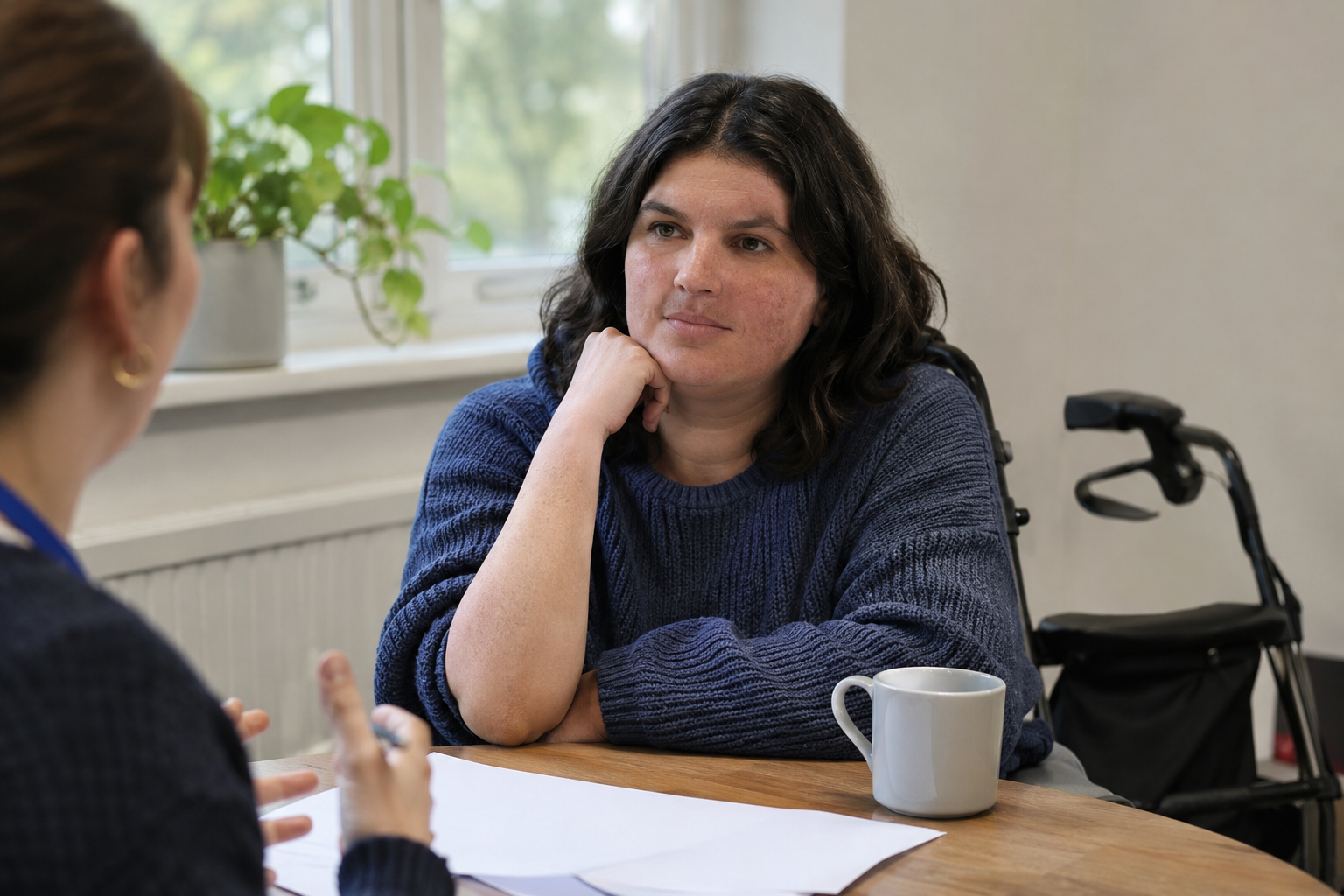
According to UK GOV.UK, PIP is the main benefit for disabled adults in England and Wales and helps with the extra costs they encounter in everyday life, whether they are in or out of work.
The review, the first full examination of the benefit since its introduction 13 years ago, was co-produced by disabled people. It followed months of engagement with tens of thousands of people, including those with disabilities and long-term conditions, as well as disabled people’s organisations, charities and think tanks.
The report calls for immediate changes to a system it describes as no longer fit for purpose, alongside a fundamental future redesign that would include a new assessment. In its immediate response, the government is making commitments in response to the report.
The government will consider the Review’s wider recommendations alongside the Milburn Review and plans to set out its response in the coming weeks, before a White Paper in the new year.
The Timms Review’s interim report said that although PIP is valued, the system is no longer fit for purpose.
UK GOV.UK said the government is accepting two key recommendations: reducing unnecessary award reviews for people whose health conditions are lifelong, progressive or unlikely to improve, and creating a fast-track route for people with severe, well-evidenced cases and those nearing the end of life. The government described these measures as a first step towards a system providing greater security for people with the most severe conditions.
The GOV.UK announcement included the following statement without identifying its speaker: “I am immensely grateful to my fellow co-chairs, the steering group and the tens of thousands of people who shared their experiences to shape this report. The government will consider the Review’s wider recommendations carefully and respond in the new year.”
The report recommends replacing the existing system with what it describes as a better and fairer assessment, intended to give disabled people choice and control over their lives and help reduce barriers to participating in society.
It proposes retaining cash awards while also providing support to access education, employment or peer support schemes, or referrals to services including health or social care. Under the proposed system, people with serious, well-evidenced impairments and those receiving end-of-life care would be fast-tracked.
For everyone else, the report proposes an improved assessment focused on a person’s real-life additional costs and individual needs. This would include how fully they can live their daily lives, the support they need and the effects of fluctuating conditions. The assessment would consider how people can live the life they want, instead of concentrating on what they cannot do. The Review also sets out key features it says a reformed benefit should contain.
Alongside broader reform, the report calls for immediate changes to the current system to provide better support now.
UK GOV.UK said the proposals are based on the Review’s vision that PIP should enable disabled people to live the lives that matter to them with dignity, choice and control, including through participation in family and community life, education, volunteering and employment.
According to the announcement, the proposals are intended to improve people’s experience of the system, recognise the additional costs of disability more effectively and provide appropriate support to those who need it. The report also recommends more accessible digital services, including an online claim-management service, while maintaining an equal service for people who are digitally excluded.
The GOV.UK announcement stated: “D/deaf and disabled people, and those with long-term conditions want the same opportunities as everyone else to live a life that has value to them.”
It also included the statement: “Our new vision for PIP will more closely understand people’s aspirations, and the real-life costs and barriers that are preventing people from achieving them. Disabled people contribute £274bn in annual spending power and make highly valued contributions to society, this should be recognised and supported by a new benefit that will hope will also no longer feel dehumanising to claim.”
Another statement in the announcement said: “If the bus is inaccessible and you have to pay for a taxi, the extra cost is yours. That’s true whether you’re going to work or having Sunday lunch with family. PIP helps people meet those costs and decide for themselves how to live their lives.”
The announcement continued: “People told us what it feels like to explain the same things again and again. One change that would make a difference is for a review to start with what someone has already told you and ask what’s changed. That’s a practical way to start rebuilding trust.”
The final report follows the Review’s interim report in July, which found that PIP was no longer fit for purpose. It draws on submissions from more than 40,000 disabled people, people with long-term health conditions and organisations. More than 90% of respondents whose evidence concerned the process described it negatively, including as stressful, dehumanising or psychologically damaging.
The Timms Review was established to help ensure PIP is fair, effective and fit for the future, and to support disabled people in achieving better health, higher living standards and greater independence.
Its steering group agreed that PIP’s purpose should be to help disabled people and people with long-term health conditions reduce the inequalities they experience when participating in everyday life, through a contribution towards the additional costs of living with a disability or long-term health condition.
The Review was co-produced with the steering group, almost all of whose members have lived experience of disability or a long-term health condition. Drawing on feedback from more than 40,000 people and organisations, they shaped and decided the recommendations.
Based on a UK GOV.UK news release · Read the original ↗