
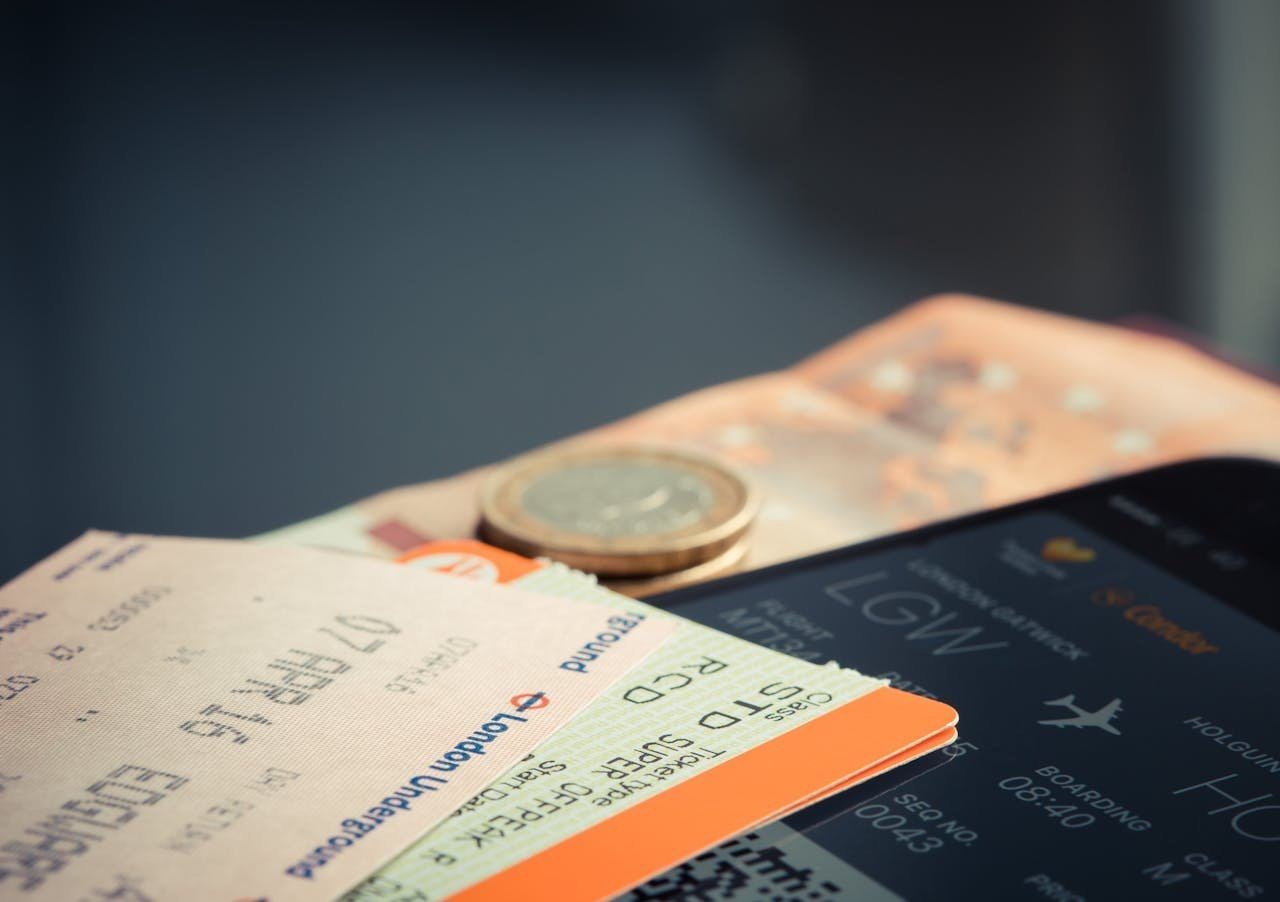
Have you ever noticed flight prices changing within hours—or even minutes—while planning a trip? One day, the fare seems reasonable; the next, it's skyrocketed. You’re not imagining things. This isn’t bad luck—it’s dynamic pricing in action, and it's a major force behind how travel costs are determined today.
While it can feel unpredictable, dynamic pricing is based on patterns, algorithms, and demand. And once you understand how it works, you can use it to your advantage instead of being blindsided by sudden price hikes.
What Is Dynamic Pricing, Really?
Dynamic pricing is a flexible strategy where prices adjust in real-time based on a variety of factors: supply and demand, time of day, day of the week, how many seats are left, current browsing trends, and even competitor pricing. Airlines, hotels, and even rental car companies use this approach to maximize profits while responding to consumer behavior.
It’s the reason you might see a hotel room for $150 in the morning and $175 by the evening. Or why your friend, searching from another city or at a different time, sees a different fare altogether for the same flight.

Why Travel Costs Shift So Often
Travel providers operate in a high-stakes, high-volume market. A seat left unsold on a flight is revenue lost forever. A hotel room that goes empty for a night can’t be resold later. So companies use advanced pricing algorithms to adjust rates in real-time based on how quickly (or slowly) inventory is selling.
For instance, if a flight to Rome starts selling faster than expected, the remaining seats will likely jump in price. Similarly, if hotel bookings in a certain city spike due to an upcoming event or long weekend, rates may climb across multiple properties. These shifts happen constantly—and often without warning.

How Dynamic Pricing Affects Travelers
For travelers, dynamic pricing can be both a blessing and a headache. On one hand, it creates opportunities to snag great deals—especially if you’re flexible with dates and destinations. On the other hand, it can make planning stressful, especially if prices fluctuate wildly in the days leading up to booking.
The key is not to outsmart the system (which is nearly impossible), but to navigate it wisely using the right tools and strategies.

Tools That Help You Stay Ahead
Travel platforms like Expedia incorporate price prediction models and alerts to help users make smarter decisions. You can track the cost of flights, hotels, or vacation packages and receive notifications when prices drop or when the system predicts they’re likely to rise.
These features allow you to watch pricing trends without manually checking every hour. More importantly, they help you book when the price is reasonable—not necessarily rock-bottom, but fair given your needs and timeframe.
Booking Smart in a Dynamic Market
There are a few simple strategies that can help you navigate dynamic pricing without feeling overwhelmed. Start by booking early whenever possible—especially for popular destinations or during peak travel seasons—as prices tend to climb the longer you wait. Flexibility is another powerful tool; even shifting your travel dates by a day or two can unlock significant savings.
Some travelers also recommend searching in incognito mode or clearing browser cookies, which, while debated, may help avoid pricing inconsistencies—though most platforms, including Expedia, are designed with transparency in mind. Lastly, set up price alerts instead of obsessively checking fares; this allows the platform to monitor trends for you and notify you when it’s time to act, helping you avoid decision fatigue and make smarter choices.

When to Hit “Book Now”
The fear of missing out can make booking stressful. But dynamic pricing doesn’t mean you need to panic every time the price moves. Instead, focus on your personal budget and trip goals. If the price fits your needs and feels fair, that’s the right time to book.
Remember, the perfect deal isn’t always the lowest number on the screen—it’s the one that lets you plan with confidence and peace of mind. Using trusted travel sites like Expedia gives you access to tools that simplify this decision. Price comparisons, traveler reviews, and flexible booking options help make the ever-changing landscape feel less intimidating.
The Bottom Line
Dynamic pricing isn’t going anywhere—it’s the new normal in travel. But that doesn’t mean travelers are at its mercy. With the right approach, some digital support, and a bit of flexibility, you can still score great deals without the stress of chasing perfect timing.
Instead of playing a guessing game, rely on patterns, planning, and platforms designed to guide you. Because a great trip should start with clarity, not chaos.
