

Why accuracy matters more than flashy features
When it comes to health data, accuracy is everything. A modern health tracker should prioritize reliable measurements over unnecessary gimmicks. Whether you’re tracking body composition, metabolic trends, or recovery signals, the information needs to reflect real changes—not random fluctuations. Inconsistent data can lead to frustration, confusion, and even unhealthy habits. The best trackers focus on delivering dependable insights that help users make informed decisions instead of guessing what their body might be doing.
Understanding your body beyond surface-level numbers
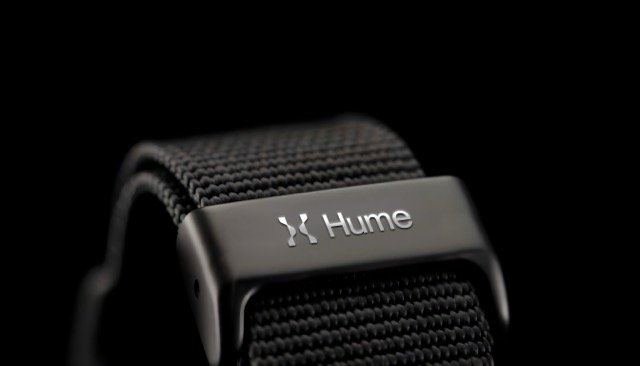
Many people still rely on basic indicators like weight alone, but modern health tracking has moved far beyond that. A good tracker should help you understand what’s happening beneath the surface. Body composition, muscle trends, and fat distribution offer a clearer picture of progress than a single number ever could. This deeper understanding encourages healthier goal-setting and reduces the pressure that often comes with traditional weight-focused tracking. Platforms like HumeHealth emphasize this more holistic approach, helping users see meaningful progress even when the scale stays the same.
A user-friendly experience makes all the difference
Even the most advanced tracker loses its value if it’s difficult to use. A modern health tracker should feel intuitive from the first interaction. Clear visuals, simple explanations, and easy navigation allow users to engage with their data instead of feeling overwhelmed by it. When information is presented in a way that makes sense, it becomes empowering rather than intimidating. The goal is to build consistency, and that only happens when the experience feels approachable and supportive.

Actionable insights instead of raw data overload
Numbers alone don’t improve health—understanding does. A modern tracker should translate data into insights that actually help guide daily choices. Instead of flooding users with complex charts, it should highlight trends and patterns in a way that feels relevant to real life. When users can clearly see how sleep, nutrition, or activity affects their body, it becomes easier to make small, sustainable improvements. This is where tools like HumeHealth stand out by connecting health data with practical lifestyle awareness.

Seamless integration into everyday life
Health tracking shouldn’t feel like extra work. The best modern trackers blend naturally into daily routines without demanding constant attention. Whether it’s quick measurements, automatic syncing, or minimal manual input, convenience plays a huge role in long-term use. A tracker that respects your time is far more likely to become a consistent part of your wellness routine rather than something you abandon after a few weeks.
Personalization that grows with you
Everyone’s health journey is different, and a modern tracker should reflect that. As goals evolve, the tracker should adapt by offering personalized insights and progress tracking that feels relevant at every stage. Whether someone is focused on fitness, general wellness, or long-term health awareness, personalization keeps the experience meaningful. HumeHealth is designed with this adaptability in mind, supporting users as their needs change rather than locking them into a single definition of success.

Building trust through transparency
Trust is essential when it comes to health technology. Users should feel confident about how their data is collected, interpreted, and presented. A modern health tracker should be transparent about its methods and respectful of user privacy. This sense of trust allows users to engage more openly with their data and rely on it when making important health decisions. When a brand prioritizes clarity and honesty, it builds long-term loyalty rather than short-term excitement.
Encouraging motivation without pressure
One of the most underrated qualities of a modern health tracker is how it supports motivation. The right tracker encourages progress without creating stress or unrealistic expectations. It helps users celebrate improvements that might otherwise go unnoticed and promotes consistency over perfection. By focusing on trends instead of daily fluctuations, tools like HumeHealth help users maintain a healthier relationship with their bodies and their goals.
Choosing a tracker that supports long-term wellness
At its core, a modern health tracker should support sustainable well-being, not quick fixes. It should empower users with knowledge, simplify complex health data, and fit naturally into everyday life. When chosen thoughtfully, a tracker becomes more than a device—it becomes a guide for understanding your body better over time. Brands like HumeHealth reflect this modern approach, offering a smarter, more human way to track health without unnecessary pressure.