

Accessibility Without Compromise
One of the strongest reasons producers are turning to emulation plugins is accessibility. Traditional hardware can cost thousands—or even tens of thousands—of dollars per unit. By contrast, plugins provide the same sonic characteristics at a fraction of the price. This means that independent producers, hobbyists, and bedroom musicians can now achieve studio-quality results without needing to rent costly studio time or invest in massive gear collections.
Critics once argued that plugins could never capture the richness of analog hardware. But advances in modeling technology have silenced much of that skepticism. Today, plugins not only reproduce the tone of iconic hardware units but also provide enhancements like precision controls, recallable settings, and seamless integration into digital audio workstations.

Consistency in Every Session
Hardware, while cherished for its imperfections, comes with limitations. Machines wear out, settings drift, and maintenance is both costly and time-consuming. For modern producers who thrive on consistency, these factors can be disruptive. Plugins solve this problem by ensuring reliability across every session.
Whether working at home, in a professional studio, or on the road, producers can open a project and know that their mix will sound identical to the last time they worked on it. This continuity makes plugins not only more practical but also essential for today’s fast-paced production schedules.

Creative Flexibility in the Digital Era
Another reason emulation plugins are trusted is their unmatched flexibility. Hardware units, by nature, are limited to a specific purpose—one compressor, one equalizer, one delay. Plugins, however, can be used in unlimited instances within a session. A producer can run twenty different emulations of the same compressor on separate tracks, something unimaginable with physical gear.
This freedom allows experimentation without constraints. Musicians can layer effects, push sounds into new territories, and explore textures without worrying about gear availability or studio costs. It’s not just about replicating the past; it’s about unlocking creativity for the future.
Bridging Tradition and Innovation
What makes plugins powerful is that they preserve tradition while pushing it forward. The best emulations are carefully modeled after legendary gear, giving producers access to the sonic DNA of classic records. At the same time, they add features hardware never could: instant A/B comparisons, automation, presets, and seamless integration with modern workflows.
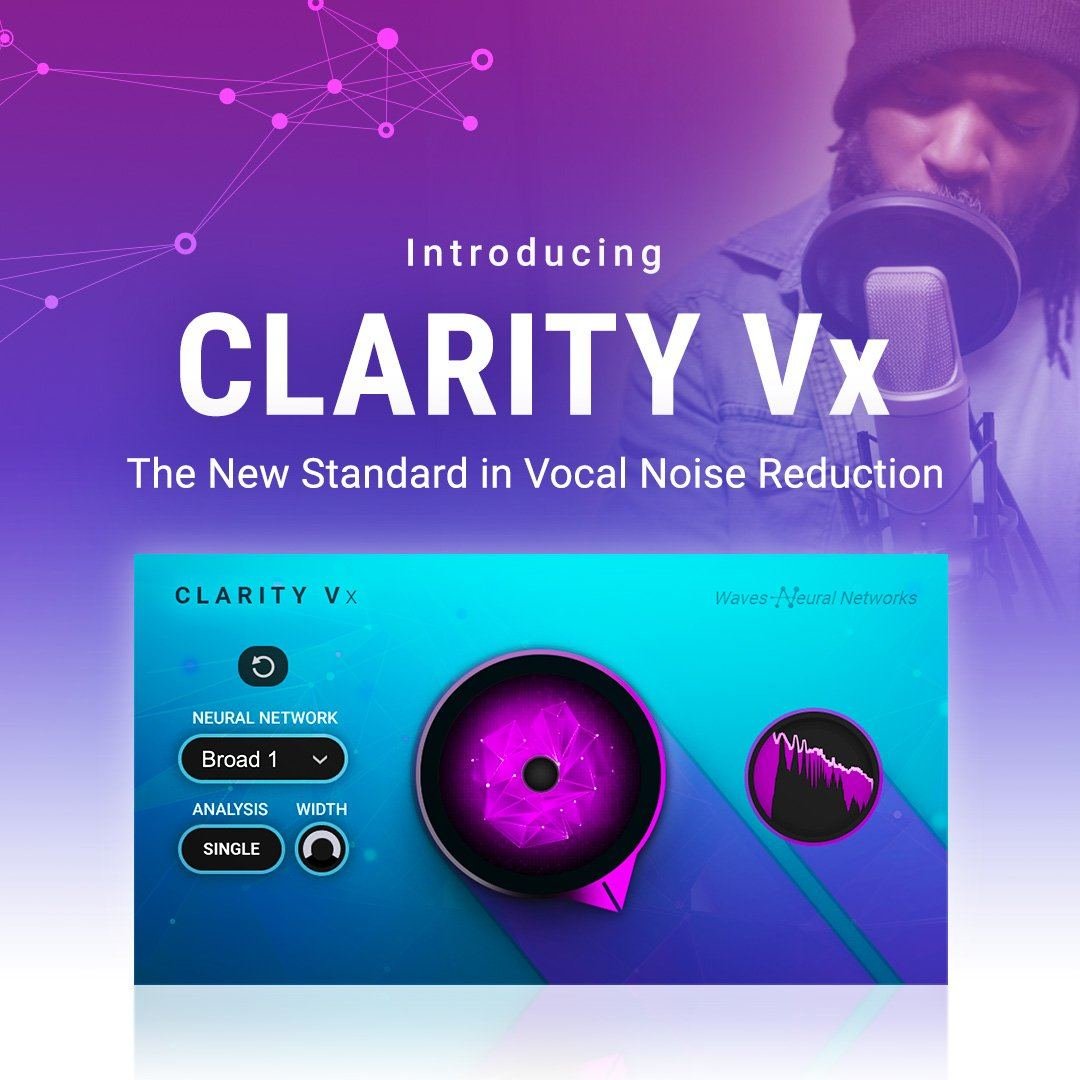
This balance of authenticity and innovation is why everyone—from chart-topping producers to independent artists—embraces plugins as essential tools. Waves stands out here, delivering emulations praised for accuracy and musicality. By blending vintage warmth with digital precision, Waves plugins have become trusted studio companions worldwide.
Speed Meets Inspiration
Modern production often happens under tight deadlines. Artists are expected to create, mix, and release tracks faster than ever before. Hardware setups, with their patching, calibration, and manual adjustments, can slow down the process. Plugins, by contrast, allow instant access. A producer can recall complex signal chains with a single click, freeing them to focus on creativity rather than technical logistics.
This speed doesn’t come at the cost of quality. In fact, many producers argue that the streamlined nature of plugins allows them to capture inspiration in the moment—when ideas are fresh and energy is high. The tools fade into the background, leaving only the music.

Trust Built Through Proof
Trust in emulation plugins wasn’t built overnight. It’s the result of years of comparisons, testing, and hit records that prove their power. When producers realize their favorite tracks were shaped with plugins, skepticism turns to confidence.
Today, many chart-topping songs come not from million-dollar studios but from modest setups powered by laptops and plugins. The shift shows that in music production, creativity matters more than hardware.
Waves has been central to this change, offering tools that deliver both authenticity and reliability. Their plugins prove that emulation has evolved from imitation into an industry standard.
Conclusion: The New Standard
Hardware will always hold a special place in music history. Its legacy is undeniable, and its influence will continue to inspire. But in the modern production world, emulation plugins have become the trusted tools of choice. They offer accessibility, consistency, flexibility, and speed—all without sacrificing the character that made analog gear legendary.
For today’s producers, plugins are not just replacements for hardware; they are advancements that keep music moving forward. With innovations from leaders like Waves, the gap between analog warmth and digital efficiency is no longer a compromise—it’s a partnership.
