

The Problem With Surface Metrics
For years, I relied solely on weight and visual cues to gauge success. The problem? These metrics are crude at best. Weight fluctuates due to water retention, muscle repair, and even the time of day. The mirror can be misleading too; lighting, posture, and small daily changes make it difficult to truly see what’s happening internally. You can work hard and feel like you’re in a plateau, even while your body composition quietly improves.
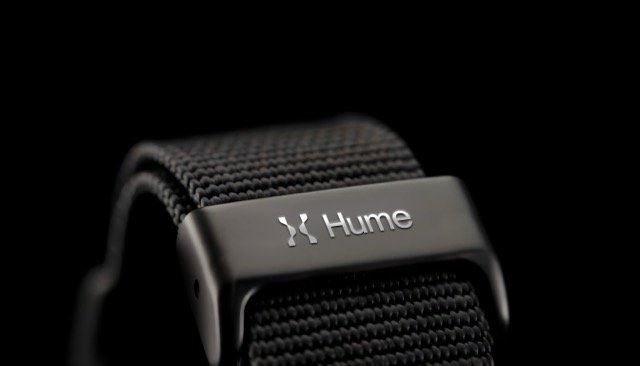
It was only when I started paying attention to deeper metrics that I realized progress had been happening all along. Tools like body composition trackers and smart health devices offer a lens into the hidden shifts—muscle gain, fat loss in stubborn areas, hydration levels, even visceral fat changes. Using something like the HumeHealth Body Pod, for instance, gave me clarity I couldn’t get from a traditional scale. Seeing a numerical representation of muscle-to-fat ratio, hydration, and other metrics was like having a map instead of wandering in fog.
Understanding the Nonlinear Journey
Human bodies don’t follow linear equations. Some weeks, weight dips slightly, muscles feel stronger, clothes fit differently—but the scale refuses to budge. Other weeks, you might feel sluggish, and yet fat mass decreases while muscle mass increases. The frustration comes from expecting visible change to match effort in real time. That expectation is what makes progress feel invisible.
I have learned that acknowledging small wins outside of conventional metrics matters. Strength gains, improved stamina, better sleep, and reduced inflammation all count—even when they don’t show on Instagram or a scale. I remember a week when I felt exhausted and thought I was backsliding. Checking a smart tracker revealed that my body fat percentage had actually dropped slightly, and my muscle mass had grown. That single data point reframed my perspective entirely.
The Power of Daily Feedback
Consistency thrives on feedback, not punishment. When you can track metrics regularly, you begin to see patterns rather than snapshots. My experience using a body composition analyzer like the HumeHealth Body Pod taught me that progress isn’t just a number—it’s a story. Over months, I could see how slight adjustments in sleep, protein intake, or hydration correlated with measurable changes in my body. It made the invisible visible.
Beyond devices, journaling subjective experiences—energy levels, mood, soreness—adds another layer of clarity. Numbers without context can be misread, but combined with your own observations, they create a full picture. I started to notice that my energy spikes aligned with days when hydration and protein intake were optimal. These weren’t dramatic revelations, but over time, they compounded into real, tangible change.

When Patience Is the True Metric
It’s tempting to chase instant gratification. Fitness marketing pushes transformations that happen in 30 days, 60 days, 90 days. But real progress, the kind that lasts, is slower and often imperceptible in day-to-day life. What HumeHealth emphasizes with its tracking tools isn’t just numbers—it’s perspective. By understanding trends instead of obsessing over daily fluctuations, I learned patience, and that patience became a form of motivation.
Sometimes, the trick isn’t to work harder, but to work smarter. Incorporating small feedback loops, monitoring meaningful metrics, and understanding the nonlinear nature of the body helped me shift from frustration to curiosity. I stopped asking, “Why isn’t this working?” and started asking, “What’s actually happening inside my body today?” That subtle shift changed everything.

Invisible Progress, Tangible Results
Looking back, the weeks I thought were “flat” were actually laying the groundwork for bigger breakthroughs. Small muscle gains, improved hydration, and subtle fat loss combined to produce results that weren’t immediately visible, but undeniable over months. Tools like the HumeHealth Body Pod helped me see the story unfolding in real time, giving me both confidence and accountability.
In the end, progress is often quiet. It doesn’t always show up in selfies or scales, but it accumulates in how your clothes fit, how your energy flows, and how your body responds under load. The invisible shifts are the ones that matter most—they shape long-term health, resilience, and sustainable change. Recognizing that is not just liberating—it’s the key to keeping going when the mirror seems indifferent.
So, if you’ve ever felt like you’re doing everything right but seeing nothing, remember: the numbers you see may only be the tip of the iceberg. Look deeper, measure smarter, and trust the process. The progress you can’t see is probably the progress that will stick.