Official European Union websites use addresses within the europa.eu domain.
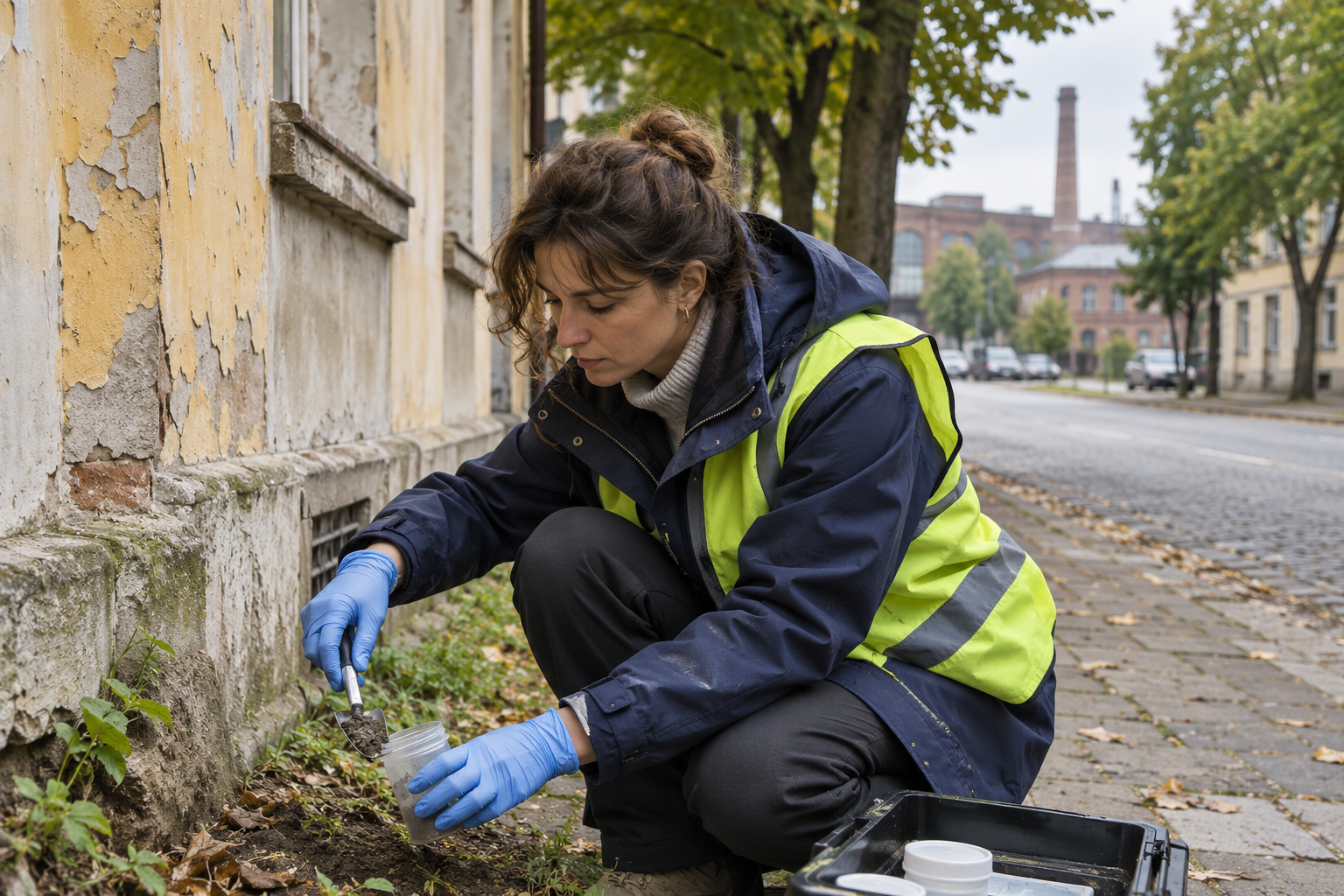
Average blood lead levels across Europe have decreased by around 60% since 2000 after decades of measures aimed at reducing lead pollution. However, a new European Environment Agency (EEA) briefing associates current lead exposure with between 62,000 and 310,000 premature deaths annually. The agency says further action is necessary to tackle both remaining sources and the legacy of past lead use.
In its new briefing, ‘Lead in Europe — ending a toxic legacy’, the EEA reports a substantial decline in exposure during the past two decades. Estimated blood lead levels among Europe’s population fell by around 60% between 2000-2006 and 2012-2019. According to the briefing, this reduction followed decades of European and national measures, including phasing out leaded petrol and restricting lead in consumer products, toys and other applications.
Despite the improvement, the EEA identifies lead as a continuing major public health concern. No safe exposure level has been identified, and harmful effects may occur at the relatively low levels still recorded in Europe.
The briefing says lead poses particular risks to foetuses, infants and young children. Low-level exposure is associated with impaired neurodevelopment, reduced IQ, and behavioural and learning problems. Among adults, exposure raises the risk of cardiovascular disease, hypertension, kidney damage and adverse reproductive outcomes.
Applying a conservative method, the EEA estimates that lead exposure is associated with more than 62,000 premature deaths and 710,000 years of life lost annually in Europe. A broader estimate accounting for evidence of health effects at still lower exposure levels places the annual burden at more than 310,000 deaths and 3.5 million years of life lost.
The briefing also reports that the health burden is distributed unevenly. Estimated lead-related mortality rates are higher in eastern and south-eastern Europe, especially in Bulgaria, Croatia, Hungary and Romania and parts of the Baltic region. Rates are generally lower in northern and western Europe. The EEA notes that estimates for parts of eastern and south-eastern Europe are subject to greater uncertainty.
A resource with an available preview image should be selected.
Although regulation has substantially reduced major exposure sources, the EEA says contamination left by decades of earlier lead use persists in buildings, dust, soils, sediments and water infrastructure. Lead also remains in use in products and activities such as battery manufacturing and recycling, certain metal alloys, ammunition and fishing tackle.
Food and drinking water are important exposure routes for the general population, according to the briefing. Environmental contamination, processing and packaging can introduce lead into food, while older lead-containing pipes can pollute drinking water. Young children face particular risks from contaminated soil and dust because they often place their hands and objects in their mouths.
The EEA calls for improved monitoring of blood lead levels, particularly among children and other vulnerable groups, to identify those facing the greatest risks and measure progress in reducing exposure.
According to the agency, European and national policies have reduced lead exposure successfully, but removing the remaining health risks will require action on both present-day sources and pollution inherited from the past.
The EU’s Zero Pollution Action Plan seeks to bring pollution down to levels no longer regarded as harmful to human health and the environment. A recent Registration, Evaluation, Authorisation and Restriction of Chemicals (REACH) restriction has prohibited PVC articles with lead concentrations of 0.1% by weight or higher. The Drinking Water Directive encourages the replacement of lead-containing pipes and fittings, while updated occupational health legislation has increased safeguards for workers exposed to lead in areas including battery recycling, metal production and waste management. Lead is currently the only metal covered by a binding biological limit value under EU occupational health legislation, based on concentrations measured in workers' blood.
The briefing concludes that Europe’s record shows sustained policy measures can substantially lower lead exposure. However, the EEA says eliminating the remaining health burden will increasingly depend on dealing with historical contamination, preventing new exposure and strengthening the monitoring of lead in people.
Based on a European Environment Agency news release by a2bd312a-9abf-4db5-a0af-2b655b52ef9a · Read the original ↗