More than 300 local projects are due to receive funding aimed at restoring waterways, according to an announcement published by UK GOV.UK.
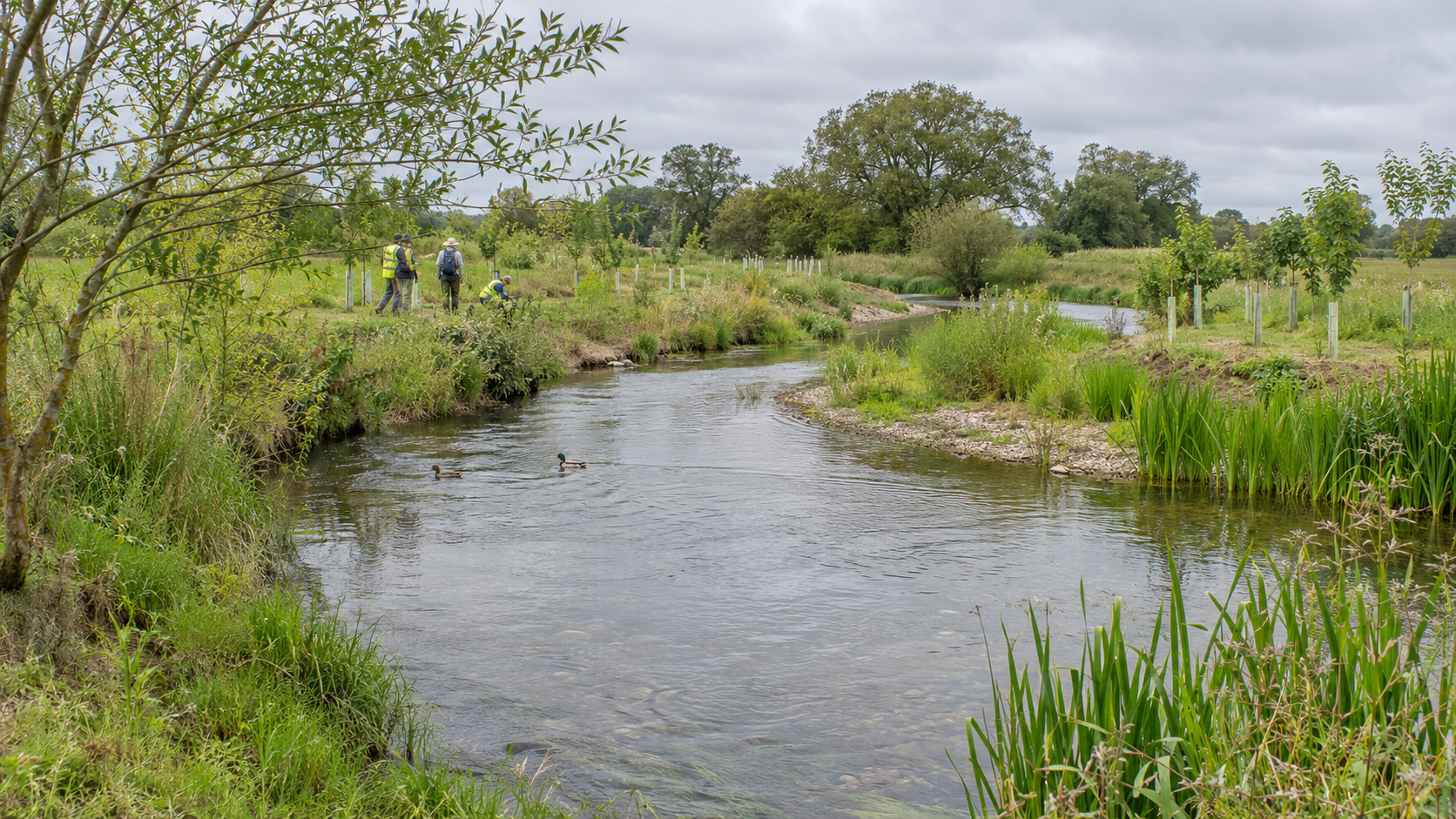
The plans include returning water voles to the River Wey, creating natural flood defences on the River Tyne and supporting projects in Gloucestershire that will help eels and salmon travel upstream. UK GOV.UK presented the funding as part of an effort to make polluters pay towards environmental restoration.
More than 300 projects across England will share over £11 million from the Water Environment Improvement Fund. The money, partly raised through fines imposed on water companies, will support river restoration, tree planting and the creation of wildlife habitats.
The new projects, announced today (Saturday 28 November), are expected to improve over 1,300km of rivers, plant more than 100,000 trees and create or restore more than 800 hectares of natural habitat. UK GOV.UK said the work would benefit nature, reduce flood risk and provide communities with cleaner and healthier natural places.
Almost £6 million of the funding comes from water company fines. UK GOV.UK said people had been let down by water companies, with bills rising while local waterways were polluted, and that the money would be returned to places valued by communities to offset the damage caused.
The announcement accompanies wider proposed reforms intended to give communities a greater voice. Recently announced regional water councils are expected to allow people to help establish regional priorities and inform decisions about responses to local issues such as pollution. UK GOV.UK said the councils would bring water companies face to face with the communities they serve and would be placed on a statutory footing following the Water Bill.
UK GOV.UK said water companies had been allowed to pollute the environment for too long and that the polluter would now pay.
It also said the water system had failed people and nature and that the government was determined to address those failings by overhauling the system for local communities. According to the announcement, the funding will direct money from fines back into restoring the rivers and waterways those communities value.
Environment Agency Chief Executive, Philip Duffy said:
“Local people know their rivers best. We’re backing them with this funding and working alongside communities, charities and partners to improve our waterways. We will continue to hold polluters to account.”
Local communities will use the Water Environment Improvement Fund to address problems that might otherwise remain unresolved, drawing on local knowledge and evidence about effective approaches. The projects are led by local people and organisations, including Rivers Trusts, Wildlife Trusts, councils and landowners. The Environment Agency manages the fund.
Projects across the country due to receive funding include:
The National Trust will receive £49,000 for its Wey Water Vole Recovery project, which is returning water voles to a river where they had almost disappeared. The award follows more than three years of preparation across the 87-mile catchment. In August 2025, 190 water voles were released at six sites, including the South Wey near Haslemere. The project has so far protected and restored 140km of river and involved 83 partners, whose contributions total more than 3,000 volunteer hours.
Groundwork North East and Cumbria will receive £165,000 for its Newburn Estuary Edge Improvements project near Newcastle upon Tyne, where a new saltmarsh is planned on the banks of the River Tyne. Natural brushwood bundles will be used to construct a 230-metre barrier along the estuary’s edge. This is intended to slow the river and allow mud to settle, enabling saltmarsh to develop and creating a refuge for young fish and wildlife. NatWest Group is jointly funding the project.
River Frome, Gloucestershire: improving passage for migrating fish
The Severn Vale Catchment Partnership will receive £60,000 for its Wilder Frome project on one of Britain’s most important rivers for migratory fish. The work will address barriers on the River Frome so eels and salmon can move freely. It will also create wetland and in-channel habitat and involve work with farmers and landowners to reduce the sediment and nutrients entering the river.
David Elliott, National Trust Countryside Manager for the South Downs West said:
“Nature wins when we work together. We’re delighted to be leading this huge community effort to bring water voles back to the River Wey - from the South Downs to the Thames - where they were locally extinct. It’s an ambitious nature programme by the National Trust, Environment Agency, River Wey Trust and South East Rivers Trust, with a breeding programme by Derek Gow Consultancy. From people with a tiny stretch of the river at the bottom of their garden, to major landowners and conservation organisations, all taking positive action to enable the return of a species. Surveys, wildlife cameras and eDNA testing have shown the water voles settling in successfully on the upper stretches of the River Wey following reintroductions last autumn and spring.”
Hellen Hornby, Nature-based Solutions lead at Groundwork NE & Cumbria said:
“We are extremely grateful to the Environment Agency and NatWest bank for supporting our ‘Revitalising our Estuaries’ programme and specifically this project. We have had some great success with other saltmarsh restoration projects in the region and are confident that the Newburn site will deliver similar positive results restoring these unique saltmarsh habitats and supporting the action against climate change.”
George MacDonald-Clark, Programme Manager (Lower Severn) said:
“The Water Environment Improvement Fund has played a vital role in helping partners deliver the Wilder Frome programme, a flagship initiative of the Severn Vale Catchment Partnership. By providing targeted funding for practical projects, WEIF has enabled organisations across the catchment to turn shared ambitions into measurable environmental improvements. From helping fish move freely through the river again, to improving water quality and restoring important wetland and floodplain habitats, WEIF funding has supported work that is creating a healthier and more resilient river. By bringing organisations together around a shared vision, the Wilder Frome programme is showing how partnership working, backed by targeted investment, can deliver lasting benefits for nature, local communities and future generations”
Based on a UK GOV.UK news release · Read the original ↗