According to VA News, VA’s Office of Research and Development recently released three News Briefs about a possible biological source of caregiving, research supporting suicide-specific telehealth group therapy, and a skills-training study examining anhedonia and social support.
Researchers identify a possible biological basis for caregiving
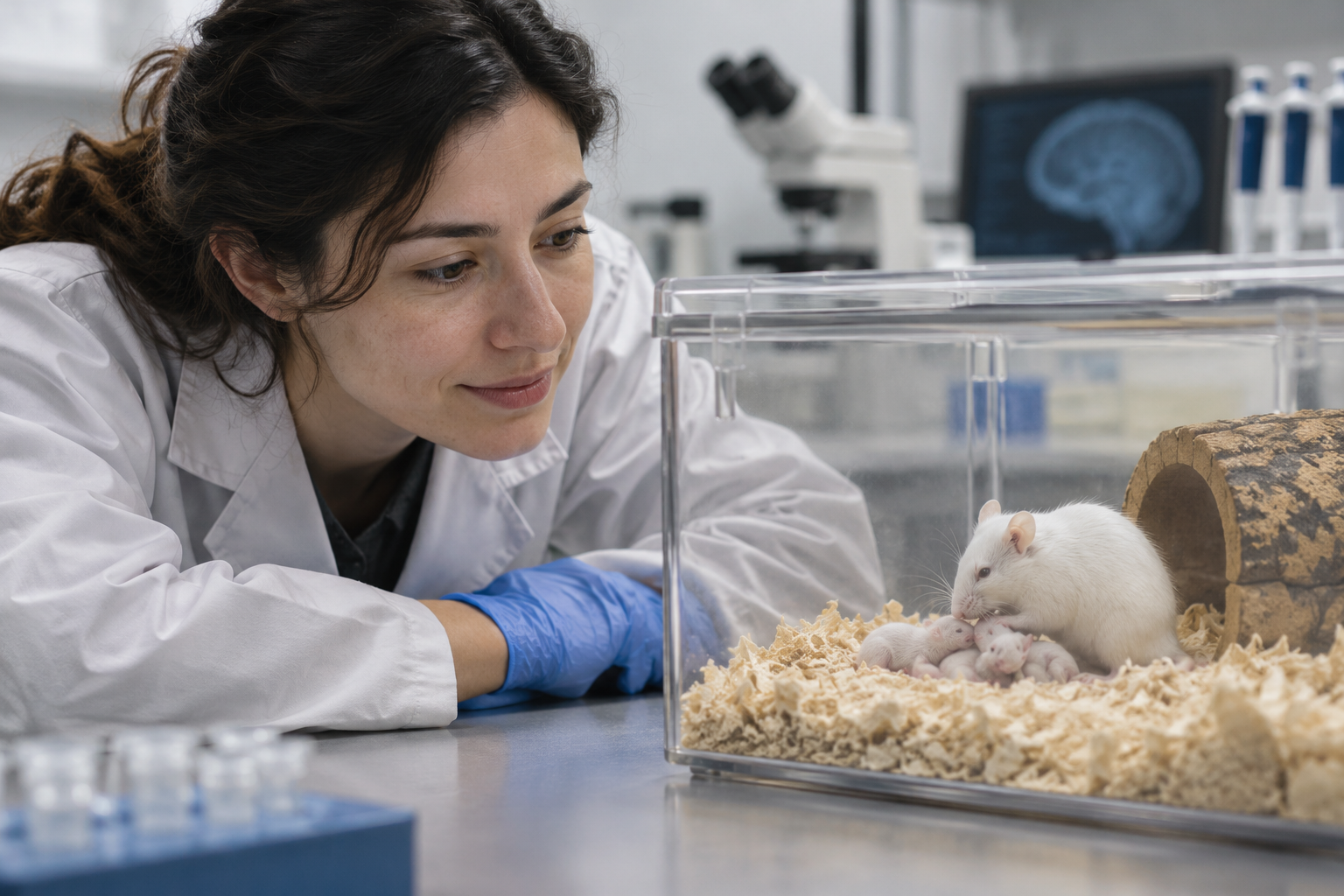
VA News reports that research conducted at the Southeast Louisiana Veterans Health Care System identified a brain process that promotes caregiving in mice. The findings could offer a path toward a cure for antisocial behaviors in humans.
Researchers determined that vasopressin neurons in the hypothalamus recruit neurons in the amygdala that express the vasopressin 1a receptor. Those neurons then engage the ventral tegmental area, promoting caregiving behaviors. The researchers also found that antagonizing the corticotropin-releasing factor receptor 1 decreased caregiving-like behavior.
According to VA News, the results connect emotional state matching, prosocial action, reinforcement and stress relief.
The research remains in its earliest stages, but VA News said it suggests a possible new approach to understanding and curing antisocial behaviors.
More information appeared in The Journal of Clinical Investigation on Oct. 1, 2026.
Research supports telehealth’s viability for suicide-specific group therapy
VA Researchers at the Bronx VA in New York found that telehealth group therapy sessions can be as effective as in-person sessions in developing and maintaining suicide-related coping mechanisms, according to VA News.
The study evaluated Project Life Force (PLF), a group-based suicide safety planning intervention offered through both telehealth and in-person sessions. VA News reported that PLF has reduced suicide attempts among high risk Veterans by 40%.
Participants in the telehealth cohort initiated treatment at higher rates than those in the in-person cohort, while engagement and completion rates were similar for both groups. Among the study’s 101 PLF participants, 46 were assigned to in-person treatment and 55 to telehealth treatment. The groups were broadly similar in depression severity, hopelessness, and attitudes toward obtaining professional psychological help. By the program’s conclusion, both groups demonstrated increased suicide-related coping.
VA News said the findings indicate that telehealth can lessen barriers to group therapy while remaining an effective suicide prevention method.
Further details were published in the Journal of Technology in Behavioral Science on Sept. 18, 2026.
Reduced positive emotions may weaken the benefits of social support
VA San Diego researchers compared skills training in affective and interpersonal regulation with present-centered therapy, examining the relationship between anhedonia and perceived social support.
Anhedonia, defined as a diminished ability to experience positive emotions, is associated with posttraumatic stress disorder (PTSD) and military sexual trauma among Women Veterans.
The study found that participants experiencing anhedonia perceived lower levels of social support, even when negative emotions were absent and regardless of the severity of PTSD.
According to VA News, the results suggest that treating anhedonia may be a clinically relevant target for improving social support for Women Veterans.
More information is available in the Journal of Mood & Anxiety Disorders.
Based on a VA News news release by Jason Davis · Read the original ↗