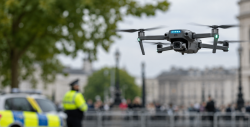
UK GOV.UK has announced closed-door security briefings for critical national infrastructure (CNI) and defence sector CEOs, led by ministers and representatives of UK Intelligence.
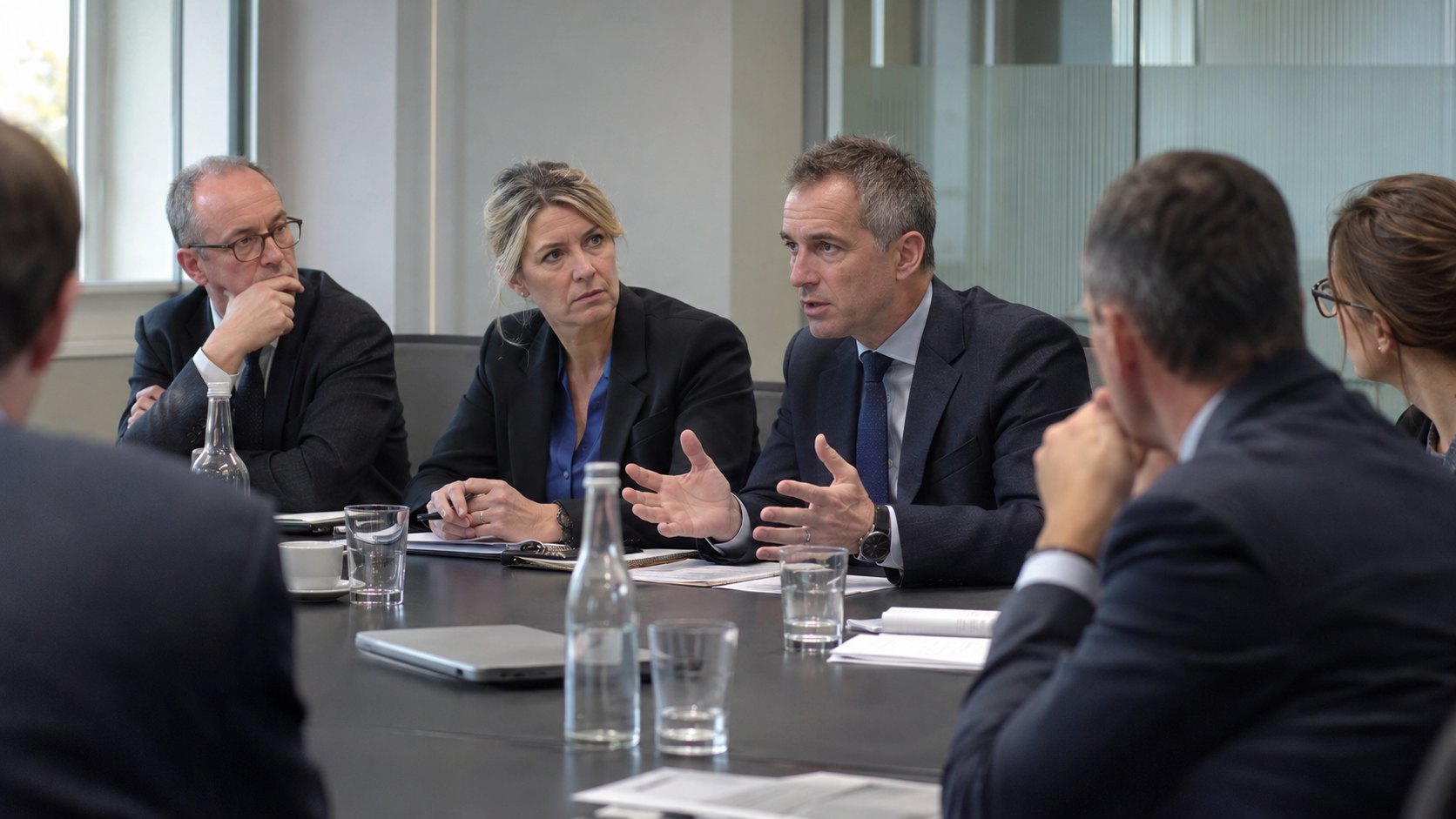
The briefings come after the NPSA, which is part of MI5, said Russia is targeting UK businesses that supply the Ukrainian Armed Forces—activity described by the Security Minister as “truly shameful.”
According to the announcement, the action is intended to reinforce existing protections for people, technology and supply chains.
Leaders from the CNI and defence sectors will receive the private threat briefings in Whitehall on Tuesday and Wednesday. They follow an NPSA security alert warning UK organisations supplying the Ukrainian Armed Forces that the Russian state is targeting them.
Defence and security ministers will chair the sessions alongside senior representatives of the UK Intelligence Community. UK GOV.UK said the meetings will support continuing efforts to improve the UK’s resilience to hostile activity by giving businesses tailored security advice. It added that both briefings draw on the UK’s intelligence capabilities and its commitment to a whole-of-society approach to security and resilience.
The alert was issued following a rising number of attempted acts of sabotage against defence-related facilities in Europe. The briefings and alert will outline measures organisations can take to safeguard their sites, personnel and operations as the threat landscape changes. Recommendations include limiting digital exposure, improving the detection and reporting of hostile reconnaissance, and identifying and protecting critical assets.
Minister for the Armed Forces Louise Sandher-Jones convened defence CEOs on Tuesday morning, while Security Minister Dan Jarvis MBE will convene CNI CEOs on Wednesday.
Jarvis said: “Recent sabotage attempts right across Europe demonstrate the seriousness of the threats we face. It’s truly shameful that actors are seeking to disrupt our way of life and that of our allies, especially targeting organisations doing vital work in support of Ukraine.
Our national security is strongest when businesses, intelligence agencies, and government departments are working together to detect and deter threats. That’s why I’m convening CEOs and security officials today and supporting the NPSA’s security alert for defence manufacturers.
All this activity demonstrates the breadth and depth of work underway everyday to strengthen our security and keep our country safe.”
UK GOV.UK said Russia and other hostile actors represent a growing threat to companies that equip and support the Armed Forces.
It said defence industry leaders are being brought together so they understand the threat and take practical steps to protect their people, technology and supply chains.
The government said it will support industry, while maintaining that every company is responsible for improving its security and helping to protect Britain.
According to the announcement, this week’s briefings were first disclosed after the Prime Minister, Andy Burnham, used his speech to the UN General Assembly to condemn Russia’s actions in Ukraine, the UK and elsewhere.
UK GOV.UK described Russia as an enduring and significant threat to the UK and its interests worldwide. It said the Russian state and its proxies deliberately seek to disrupt businesses and organisations that support the British way of life or play a vital role in Ukraine’s defence. The tactics cited include cyber attacks, sabotage and disinformation intended to take organisations offline, interrupt activity and erode trust.
The sessions also follow a UK meeting with close allies aboard HMS Prince of Wales in Norway earlier this month, where participants discussed their collective approach to security and resilience. The Security Minister attended the Atlantic Future Forum and held bilateral meetings with several allied governments and European CNI providers.
UK GOV.UK said strong safeguards are already in place for CNI and defence companies and continue to be reinforced as threats evolve. These include specialist policing through organisations such as the Civil Nuclear Constabulary and Counter Terrorism Police, cyber defence provided by the National Cyber Security Centre, and physical and personnel security expertise from the National Protective Security Authority.
In September, the Crown Prosecution Service charged a British man with offences under the National Security Act after he allegedly undertook conduct in preparation for an act of sabotage and received instructions from a person believed to have links to the GRU Volunteer Corps.
The roundtable forms part of a broader programme intended to strengthen the UK’s resilience. That work includes holding the largest home defence exercise in recent history next year and investing over £1 billion in pandemic security.
Based on a UK GOV.UK news release · Read the original ↗